Tooth-Colored Fillings Cost in Minneola, FL
Tooth-colored fillings in Minneola, FL typically cost $150 to $450 per tooth. See what drives the price, insurance coverage, and how composite fillings compare to metal.
A tooth-colored (composite) filling in Minneola, FL typically costs between $150 and $450 per tooth, depending on how many surfaces need to be filled. A small one-surface filling on a front tooth sits at the low end, while a larger filling covering several surfaces on a back molar costs more. Most patients pay less out of pocket once dental insurance applies.
If you just found out you have a cavity, the price is probably the first thing on your mind. The honest answer is that it depends on the size of the cavity, which tooth is involved, and whether you have insurance. Below, the team at Neola Dental breaks down real pricing factors, how tooth-colored fillings compare to older metal fillings, and what to expect at your visit.
What Is a Tooth-Colored (Composite) Filling?
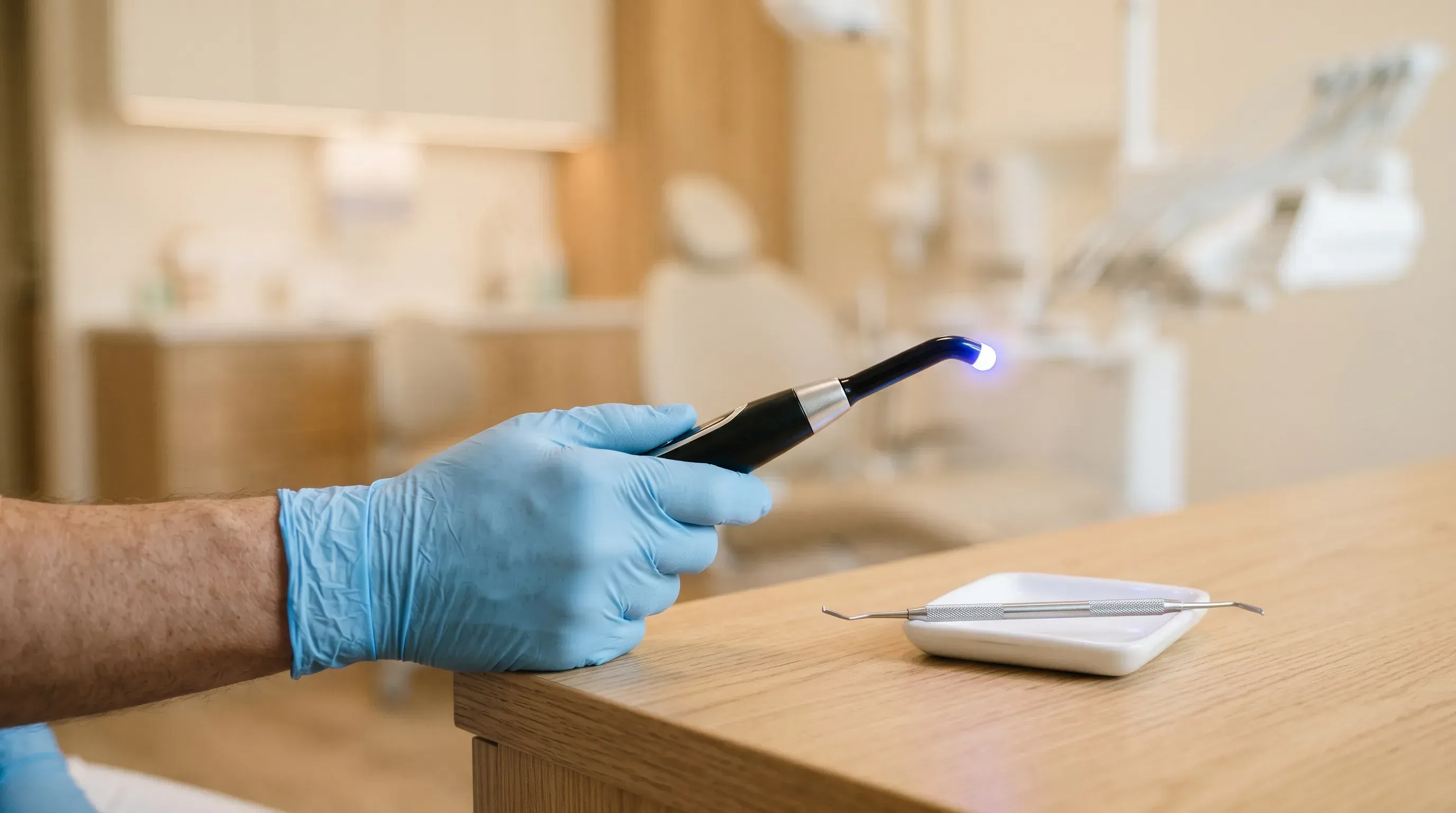
A tooth-colored filling, also called a composite resin filling, is made from a durable plastic and glass mixture that your dentist shades to match your natural tooth. Once cured under a special light, it bonds directly to the remaining healthy tooth structure. Unlike older silver amalgam fillings, composite blends in so well that most people cannot tell you have a filling at all, even at conversation distance.
Composite is now the standard material for cavities in visible teeth, and many dentists use it for back teeth as well. According to Cleveland Clinic's guide to dental fillings, composite fillings also require removing less natural tooth structure than older filling materials, since the bonding process does not depend on mechanically locking the material into place the way amalgam does.
How Much Does a Tooth-Colored Filling Cost in Minneola?
Here is the honest range. A composite filling in Minneola typically runs $150 to $450 per tooth, and most single-surface fillings land in the lower half of that band. We always confirm the exact number after an exam and X-ray, because the real price depends on what we find.
National pricing data compiled by dental benefit providers shows a similar spread. Cigna reports an average cavity filling cost starting around $160, while Aspen Dental cites a national average near $259 per filling, and GoodRx puts composite resin costs as high as $1,050 for the most complex, multi-surface cases. Here in Central Florida, pricing for a routine one- or two-surface filling tends to land toward the friendlier end of that national range.
One-Surface Fillings: $150 to $250
The most common scenario is a small cavity caught early, affecting just one surface of the tooth. This is the fastest and least expensive filling, usually finished in a single short visit.
Two- to Three-Surface Fillings: $250 to $350
When decay has spread across multiple surfaces, or the filling needs to rebuild more of the tooth's shape, the price moves up. This is typical for cavities between teeth or on the chewing surface of a molar that has worn down.
Complex or Large Fillings: $350 to $450+
Larger fillings that replace a significant portion of the tooth, or that need extra steps to match the bite precisely, fall at the top of the range. In some cases, a large enough cavity is better served by a crown instead of a filling, which Dr. Josaida Contreras, DDS will discuss with you directly if that applies.
What Affects the Price of a Filling?
A few factors move the cost up or down:
- Number of surfaces. A filling on one surface of the tooth costs less than one that wraps around multiple surfaces.
- Location. Front teeth are usually simpler to fill than back molars, which take on more chewing force and need a more precise bite adjustment.
- Size of the cavity. Decay caught early is quicker and cheaper to treat than a cavity that has had time to spread.
- Whether a cavity has reached the nerve. If decay is deep enough to affect the tooth's nerve, you may need a root canal in addition to, or instead of, a simple filling.
Every filling quote at Neola Dental includes the numbing, the material, and the polish and bite check at the end, so there are no surprise line items later.
Composite vs. Amalgam: What Is the Difference?
Amalgam, the traditional silver-colored filling material, is still used by some dentists because it is strong and long-lasting for large back-tooth fillings. Composite resin, the tooth-colored option, blends in visually and bonds directly to the tooth, which means less drilling into healthy structure. At Neola Dental, tooth-colored composite is our default recommendation for nearly all fillings, front or back, because most patients prefer a result that is invisible when they smile or talk.
Cost is usually similar between the two materials for a simple filling, though composite can run slightly higher for large, multi-surface restorations because of the extra shaping and bonding steps involved.
Does Insurance Cover Tooth-Colored Fillings?
Most dental insurance plans cover a meaningful portion of a routine filling, often 50 to 80 percent after your deductible, though the exact percentage depends on your specific plan. Some older insurance plans classify composite fillings on back teeth as a cosmetic upgrade and only reimburse at the amalgam rate, with the patient covering the difference. Bring your insurance card to your visit and our team will verify your exact benefit before treatment starts, so you know your out-of-pocket cost in advance.
If you do not have dental insurance, or your plan has a low annual maximum, ask our team about the financing and payment plan options available at Neola Dental, including short-term payment arrangements that spread the cost of larger treatment plans over several months.
Signs You Might Need a Filling
Cavities do not always hurt right away, which is exactly why routine visits matter. According to the National Institute of Dental and Craniofacial Research, tooth decay develops gradually as acids from plaque bacteria wear away the enamel, and it often has no symptoms in its earliest stages. Watch for:
- A visible dark spot, pit, or rough patch on a tooth
- Sensitivity to hot, cold, or sweet foods that lingers after the food is gone
- Mild, occasional pain when chewing on a specific tooth
- A cavity flagged on X-rays during a comprehensive dental exam, even before you feel anything
Catching a cavity early, often at a routine dental cleaning, is what keeps a filling small, quick, and inexpensive instead of turning into a larger procedure months later.
How Long Do Tooth-Colored Fillings Last?
A well-placed composite filling typically lasts 7 to 10 years with normal brushing, flossing, and regular checkups, and many last even longer. Fillings on chewing surfaces that take on heavy bite force tend to wear sooner than fillings on front teeth. If you grind your teeth at night, a night guard can meaningfully extend the life of any filling by reducing the pressure it absorbs. Keeping up with your oral health routine at home, and returning for your regular cleanings, is the single best thing you can do to protect a filling once it is placed.
What If the Cavity Has Already Cracked the Tooth?
Occasionally, a cavity is discovered alongside a crack or fracture line, especially in a tooth that has had a large filling before. In these cases, a simple filling may not be enough to restore the tooth's strength, and Dr. Contreras may recommend a crown instead. If you are dealing with tooth pain and are not sure whether it is a cavity or something more, our guide to cracked teeth walks through the warning signs to watch for.
Your Next Step at Neola Dental
If you have noticed a sensitive tooth, a rough spot, or a cavity flagged at a recent cleaning, the best next step is a short exam. Dr. Josaida Contreras, DDS will take a look, confirm what is happening with imaging if needed, and give you a written estimate before any work begins, along with your payment and financing options.
Visit us at 825 US-27 #104, Minneola, FL 34715, or call (352) 717-2177 to schedule your visit.
Frequently Asked Questions
1. How much should a tooth filling cost? Most single-surface fillings in Minneola run $150 to $250, with larger multi-surface fillings reaching $350 to $450 or more. The exact price depends on the tooth involved, how many surfaces need to be restored, and your insurance coverage.
2. Is $200 expensive for a filling? No. $200 falls within the typical range for a routine one- or two-surface filling in Central Florida, which generally runs $150 to $350 before insurance. Prices above that usually reflect a larger or more complex restoration.
3. What is the cheapest way to fill a cavity? Catching a cavity early, at a routine cleaning or exam, keeps it small enough for a quick one-surface filling, which is the least expensive option. Waiting allows decay to spread, which can turn an inexpensive filling into a larger, costlier procedure like a crown or root canal.
4. How long do teeth fillings last? A composite filling typically lasts 7 to 10 years with good home care and regular dental visits. Fillings on teeth that absorb heavy chewing force may need replacement sooner than fillings on front teeth.
5. Can a filling be done in one visit? Yes. A standard tooth-colored filling is completed in a single visit, usually in under an hour, including numbing, removing the decay, placing the composite, and adjusting your bite.
6. Does dental insurance cover composite fillings? Most plans cover a portion of a routine filling, often 50 to 80 percent after your deductible. Some older plans reimburse composite fillings on back teeth at the same rate as amalgam, with the patient responsible for the difference. Our team verifies your specific benefits before treatment.