Enamel erosion: signs, treatment options and cost in Minneola, FL
Enamel erosion treatment in Minneola, FL runs $30-$2,500 per tooth depending on the stage. See the early signs, what each option costs, and when to act.
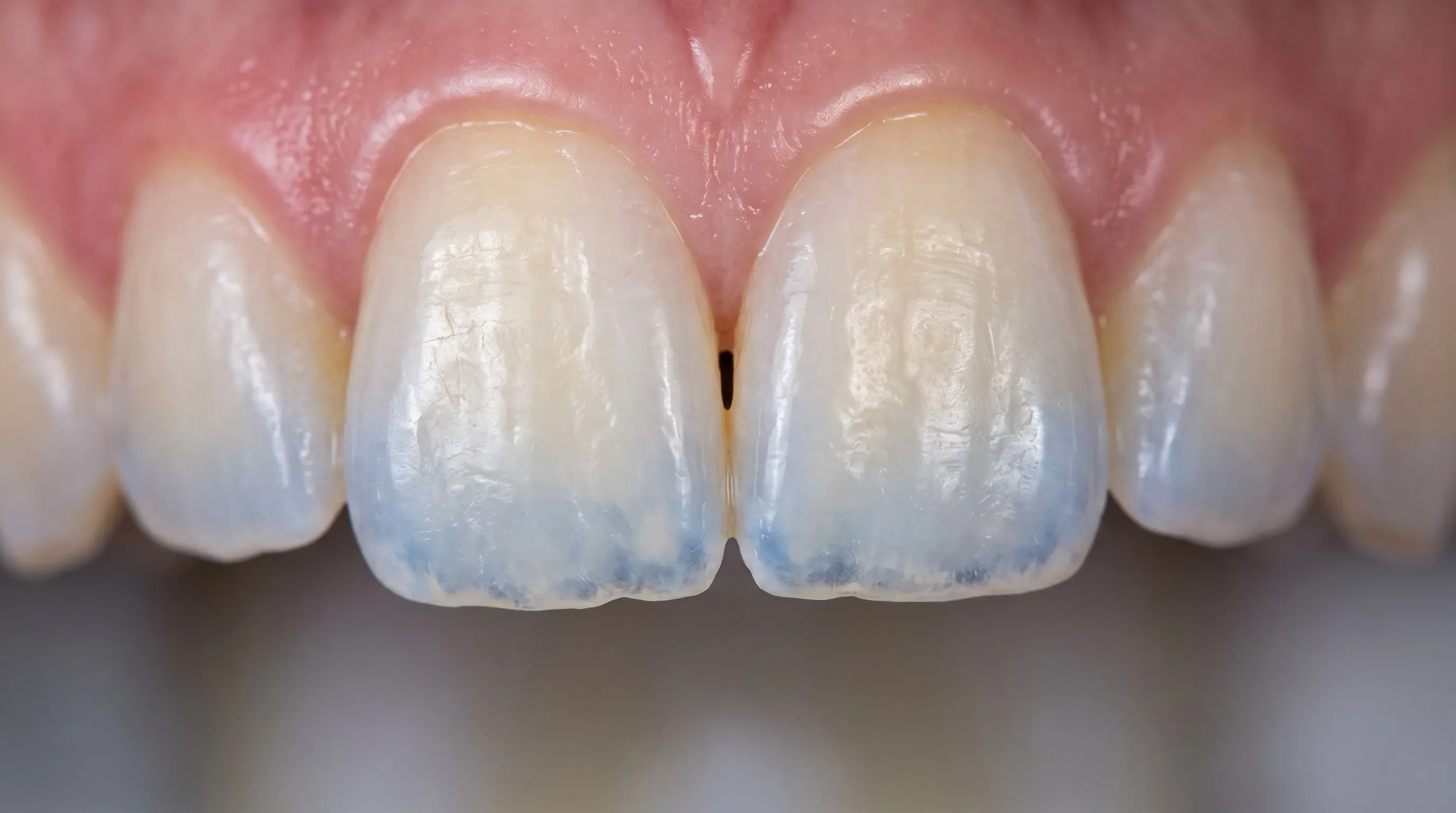
Your teeth feel a jolt when you drink something cold. The edges of your front teeth look a little see-through in the mirror. Nothing hurts exactly, so it is easy to put off.
That is enamel erosion. It is no emergency, and the cost of handling it climbs steeply the longer you wait.
What enamel erosion actually is
Enamel is the hard outer shell of your tooth. It is the toughest substance your body makes, harder than bone. It is also the only part of you that cannot repair itself.
Erosion is enamel dissolving on contact with acid. The American Dental Association defines it as a chemical process, so no bacteria are involved.
That makes erosion different from a cavity, even though patients often use the words interchangeably. A cavity is bacteria drilling one deep hole. Erosion is acid thinning broad, smooth surfaces at once.
You can brush perfectly and still have erosion.
The early signs, in the order they usually appear
Sensitivity to cold. The first and most common complaint. Thinner enamel means less insulation between the outside world and the nerve.
A yellow tint. Enamel is semi-translucent. Under it sits dentin, which is naturally darker. As enamel thins, that dentin shows through. Patients often think their teeth are staining and reach for whitening strips, which makes it worse.
Transparent edges. Look at your upper front teeth against a dark background. If the biting edges look glassy or slightly see-through, enamel is thin there.
Cupping. Small shallow dents on the chewing surfaces of molars, sometimes with a shiny floor.
Rounded, shorter teeth. Late-stage. Edges lose their crisp shape and teeth start looking worn down.
If you are noticing sensitivity, see our guide on what causes tooth sensitivity for the full picture.
Where the acid comes from
Most erosion traces back to one of four sources, and finding yours is the whole game.
Diet. Soda is the usual suspect, and diet soda is no better since the acid, not the sugar, does this damage. Sports drinks, energy drinks, citrus, wine, and sparkling water all sit on the acidic side. Our list of foods that damage teeth covers the surprising ones.
Stomach acid. Chronic acid reflux, GERD, frequent vomiting, or morning sickness bring stomach acid into the mouth. This acid is far stronger than anything you drink. It has a telltale pattern, hitting the inner surfaces of the upper teeth, and it is often how a dentist spots undiagnosed reflux.
Dry mouth. Saliva neutralizes acid and washes it away. Many common medications reduce saliva flow, and less saliva means acid lingers.
Mechanical wear on top of it. Grinding your teeth or brushing hard right after something acidic accelerates everything. If you grind, our guide on how to stop grinding your teeth is worth reading.
Treatment options and what they cost in Minneola, FL
Here is the part that makes early action worth it. The stage you are at determines whether this is a $40 problem or a $2,000 one.
| Stage | Treatment | Typical cost per tooth |
|---|---|---|
| Early softening, sensitivity only | Fluoride varnish or prescription paste | $30 to $60 |
| Worn or chipped edges | Dental bonding | $100 to $600 |
| Significant surface loss, front teeth | Porcelain veneers | $900 to $2,500 |
| Severe wear, structural damage | Dental crown | $800 to $2,000 |
These are Central Florida market ranges, not a quote. What you actually pay depends on how many teeth are involved, which teeth, your insurance, and the material chosen. We give you an exact number in writing before any work starts.
Fluoride is the bargain of the list. At the early stage, a varnish applied in a few minutes can harden softened enamel and stop the process.
What insurance usually covers
Fluoride treatment is commonly covered for children and increasingly for adults with documented erosion risk. Bonding is often covered when it restores lost tooth structure rather than being purely cosmetic. Crowns are usually covered at 50 percent after your deductible.
Veneers are almost always classified as cosmetic and paid out of pocket.
The wording on your plan matters more than the procedure name. We verify your benefits before treatment so there are no surprises. If you do not have insurance, our payment options include financing that spreads the cost out.
What you can do starting today
None of this requires an appointment.
Wait to brush. After anything acidic, give it 30 to 60 minutes. Brushing softened enamel scrubs it away. People get this wrong because brushing feels like the responsible thing to do.
Rinse with plain water right after acidic food or drinks.
Use a straw for soda, juice, and sports drinks, positioned past your front teeth.
Chew sugar-free gum. It triggers saliva, which is your body's own acid neutralizer.
Switch to a soft-bristled brush and stop scrubbing hard. Pressure does not clean better, it just wears enamel and gums.
Treat the reflux. If you have heartburn several times a week, managing it with your physician protects your teeth as much as your esophagus.
When to come in
Book a visit if cold drinks consistently make you wince, if your front edges are looking transparent, or if you have reflux and have not had your teeth checked recently.
Erosion is slow, so you have time to act, and it is easy to postpone until the fix stops being a fluoride varnish and starts being a crown.
At Neola Dental in Minneola we start by finding your acid source, because rebuilding teeth without stopping the cause just buys you a few years. Dr. Contreras will show you exactly which teeth are affected and how far it has gone, and we will lay out the options with real numbers.
Call us at (352) 717-2177 or book an appointment. We serve Minneola, Clermont, Groveland, Winter Garden, and the rest of Lake County, with a bilingual team in English and Spanish.
Frequently asked questions
What are the first signs of enamel erosion?
Sensitivity to cold drinks is usually the first sign, followed by a yellow tint as the darker dentin underneath starts to show. Look at your front teeth in good light. If the biting edges look slightly see-through, that is thinning enamel. Small dents or cupping on the chewing surfaces of molars is another early clue. None of these hurt at first, which is why erosion is often caught at a routine cleaning before the patient notices anything.
Can tooth enamel grow back?
No. Enamel has no living cells, so once it is gone your body cannot rebuild it. That is the single most important thing to understand about erosion. What can be done is remineralization: fluoride and prescription-strength pastes harden the enamel you still have and can reverse very early softening. Past that point, the tooth needs to be rebuilt with bonding, a veneer, or a crown. This is why acting at the sensitivity stage costs so much less than waiting.
What is the difference between enamel erosion and a cavity?
A cavity is bacterial. Bacteria feed on sugar, produce acid in one concentrated spot, and drill a hole. Erosion is chemical and has nothing to do with bacteria. Acid from soda, citrus, sports drinks, or stomach reflux dissolves enamel across broad, smooth surfaces. That is why erosion looks like general thinning or shiny cupped dents rather than a dark pit. The treatments differ too: a cavity gets a filling, while erosion is managed by removing the acid source first.
How much does it cost to fix enamel erosion?
It depends entirely on the stage. A fluoride varnish runs about $30 to $60 and is meant for early erosion. Bonding to rebuild a worn edge runs roughly $100 to $600 per tooth. A porcelain veneer runs about $900 to $2,500 per tooth, and a crown for a badly worn tooth runs about $800 to $2,000. Most insurance plans cover fluoride and often bonding when it is restoring lost structure, but treat veneers as cosmetic.
What toothpaste is best for enamel erosion?
Any fluoride toothpaste helps, and the ones marketed for enamel protection use stannous fluoride or a low-abrasion formula that is gentler on softened enamel. If your erosion is advanced, we may prescribe a 5,000 ppm fluoride paste, which carries about five times the fluoride of a drugstore tube. Skip whitening pastes while enamel is thin, since the abrasives work against you. Bring your current tube to your visit and we will tell you if it is helping.
Should I brush right after drinking soda or orange juice?
No, and this catches a lot of people who think they are doing the right thing. Acid temporarily softens enamel, so brushing in that window scrubs away the softened layer. Wait at least 30 to 60 minutes. Rinse with plain water right away instead, or chew sugar-free gum to get saliva flowing, which neutralizes the acid naturally.