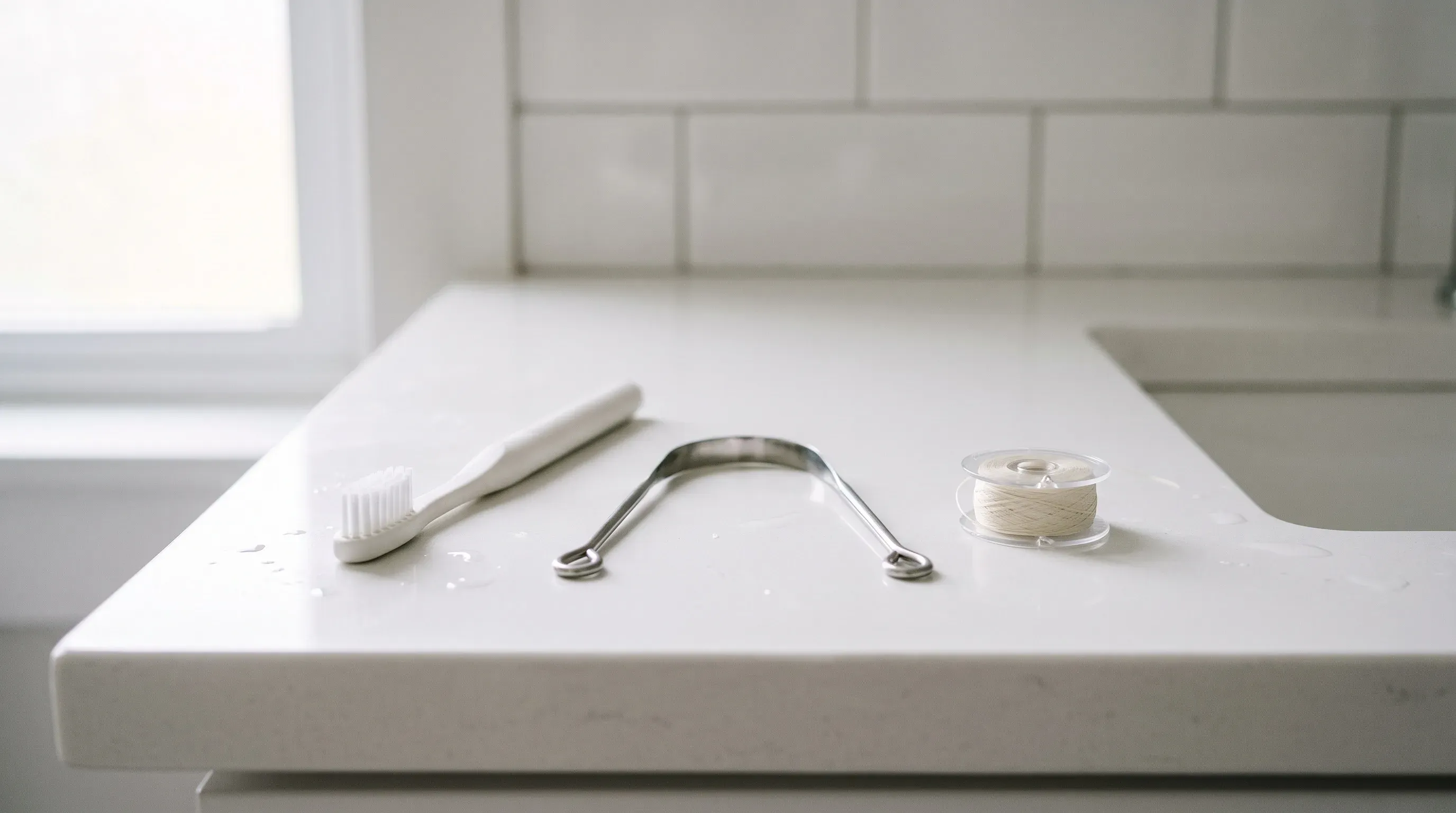
Dentist for receding gums in Minneola, FL: treatment, cost and payment plans at Neola Dental
Need a dentist for receding gums in Minneola, FL? Treatment options, cost, accepted insurance & payment plans at Neola Dental.

Looking for a dentist for receding gums in Minneola, FL? Receding gums often appear gradually, but the damage they signal can move quickly without care. Neola Dental is a privately owned, non-corporate office that treats receding gums for patients from Minneola, Clermont, Groveland and the rest of Lake County, with non-surgical and surgical options under one roof. We quote every fee in writing, accept most major PPO plans (Delta, Aetna, MetLife, Cigna, Guardian, BCBS and more) and Medicare Advantage plans, and offer in-house payment plans and CareCredit financing. Our team speaks English and Spanish.
Call Neola Dental at (352) 717-2177 to schedule an evaluation before the recession gets worse.
What are receding gums? Signs to watch for
Gum recession happens when the gum tissue that protects your tooth roots pulls back, exposing more of the tooth than nature intended. Many patients first notice their gums look "longer," or that their teeth feel sensitive to cold and sweet foods. Others see a small notch where the gum used to meet the tooth, or notice that food gets stuck more easily near the gum line. Whatever the early signal, an earlier visit protects the tooth roots from decay, mobility and loss.
Other warning signs are increased tooth sensitivity, teeth that look longer than they used to, visible roots, bad breath that does not respond to brushing, tender or bleeding gums when you brush or floss, and slight tooth mobility. If you recognize any of these, schedule an exam to find out where you stand.
Why should you see a dentist for receding gums?
Receding gums are not just a cosmetic issue. The exposed tooth root has no enamel, so it is much more vulnerable to decay than the visible crown of the tooth. Untreated gum recession often leads to root cavities, persistent sensitivity, infection, and ultimately tooth loss. A dentist can identify the cause, halt the progression and, in many cases, rebuild lost tissue.
You should leave with a plan, not just a recommendation to "brush softer." At Neola Dental, we use advanced dental imaging and clinical measurements to track exactly how much recession has occurred and how fast it is progressing.
Common gum recession causes
Most patients have two or three of the following gum recession causes at once, and identifying them early lets your dentist step in before significant tissue is lost:
- Periodontal disease - the leading cause. Bacterial infection destroys the bone and gum supporting your teeth.
- Aggressive tooth brushing - using a hard-bristled brush or scrubbing too forcefully wears down delicate gum tissue.
- Genetics - some people are simply predisposed to thinner gum tissue and a higher risk of recession.
- Tobacco use - smoking and chewing tobacco cause recession and also slow healing.
- Hormonal changes - pregnancy, menopause, and puberty all affect gum sensitivity and resilience.
- Teeth grinding (bruxism) - chronic clenching places lateral force on teeth, pulling gums away.
- Misaligned bite - uneven force on certain teeth accelerates recession in those spots.
- Lip or tongue piercings - constant rubbing against gum tissue is one of the most overlooked causes.
- Old or ill-fitting dental work - crowns or partial dentures that do not fit well can irritate gums.
At your first visit we take a medical, dental and lifestyle history to find which causes apply to you. Then we design a treatment plan that addresses the root issue, not just the symptoms.
Is gum recession reversible?
The right cleaning protocol and lifestyle changes can often halt mild recession and firm the gums back up, which is why an early visit matters: conservative options still work. Moderate to severe recession typically does not reverse on its own, and receded gum tissue does not grow back naturally. Gum grafting can restore it. Seeing a dentist early gives you the widest range of conservative options before surgery becomes necessary.
Receding gums treatment options at Neola Dental
We match the treatment to the severity of recession, your overall oral health, your budget and your comfort preferences. These are the options we offer:
Deep cleaning (scaling and root planing)
The first-line treatment for most patients. We remove plaque and tartar from above and below the gum line, then smooth the tooth roots so gums can reattach. This non-surgical treatment is often performed over one or two visits with local anesthesia for comfort.
Gum grafting (soft tissue grafting)
For moderate to severe recession, soft tissue grafting rebuilds the missing gum line using tissue from another part of your mouth or a donor source. Grafting restores root coverage and reduces sensitivity.
Antibacterial therapy
When periodontal disease is driving the recession, we combine deep cleaning with targeted antibacterial therapy - locally applied or systemic - to control the infection so the gums can heal.
Occlusal adjustment and night guards
If grinding or a misaligned bite is contributing to your recession, we may adjust your bite or fit a custom night guard so the treatment holds.
Bone grafting (when needed)
Severe periodontal disease sometimes destroys the bone that supports the teeth. In those cases we may recommend bone grafting before or alongside the gum treatment so the result lasts.
Receding gums treatment cost in Minneola, FL
The receding gums treatment cost depends on the severity of your case, the technique we choose and how much of the mouth we treat. These are useful ranges:
- Deep cleaning (scaling and root planing): entry-level cost, often partially covered by PPO insurance.
- Gum grafting (per area treated): mid-range cost, sometimes covered as a periodontal benefit depending on your plan.
- Multiple-site or full-mouth gum grafting: upper range - we always present a written estimate and discuss payment plans before treatment.
- Bone grafting: additional cost when the supporting bone needs to be rebuilt.
We always disclose the cost without insurance in writing before treatment starts. You receive a line-item quote covering every procedure, anesthesia, follow-up visit and lab fee, so there are no surprises after the first visit.
Does insurance cover receding gums treatment?
Most PPO dental insurance plans cover receding gums treatment when there is documented periodontal disease. Coverage typically looks like this:
- Diagnostic exams and periodontal charting - usually covered at 80-100%.
- Scaling and root planing - usually covered at 50-80% after deductible.
- Gum grafting - covered as a major procedure (50%) on many PPO plans; some cosmetic-only grafts are not covered.
- Annual maximums apply - we phase treatment to maximize insurance benefits across calendar years.
Neola Dental accepts most major PPO insurance plans (Delta Dental, Aetna, MetLife, Cigna, Guardian, BlueCross BlueShield and many regional Florida PPOs) and Medicare Advantage plans with dental benefits. We verify your coverage in advance so you know what you will pay out of pocket.
Please note: Neola Dental does not accept straight Medicaid. If you have Medicaid and need to see a dentist for receding gums, ask us about our in-house payment options.
Receding gums prevention: what you can do at home
Daily habits protect the result, whether you are early in the recession process or just finished treatment. Our hygiene team teaches every patient how to:
- Brush with a soft or extra-soft bristled brush, using gentle circular strokes - never sawing back and forth.
- Floss daily without snapping the floss against the gum line.
- Replace the toothbrush every three to four months, or sooner when the bristles fray, because worn bristles scrub the gum line harder.
- Use a non-alcohol antibacterial rinse to control plaque.
- Schedule professional cleanings every 3 to 6 months depending on your risk level.
- Quit tobacco if you use it, which helps gums more than any product.
- Wear a custom night guard if you grind or clench at night.
Gum recession vs gum disease: are they the same?
They are closely related but not identical. Gum disease (gingivitis or periodontitis) is the bacterial infection that damages gum and bone tissue. Gum recession is one of several possible outcomes of advanced gum disease - but recession can also happen without active infection, from aggressive brushing, grinding, or genetics. Only an exam can tell which scenario applies to you and which treatment fits.
When are receding gums an emergency?
Most gum recession develops slowly and is not an emergency. But call right away if you notice these warning signs: sudden severe sensitivity, visible pus near the gum line, or rapidly loosening teeth. Also call immediately if swelling affects your breathing or swallowing, or if one side of your face swells. For after-hours situations call our emergency dentist line and we will guide you to the next best step.
Spanish-speaking periodontal care in Minneola
Dr. Contreras and the Neola Dental team are bilingual and explain every option, the cost and your insurance benefits in English or Spanish. Para nuestros pacientes hispanohablantes en Minneola, Clermont y Groveland, ofrecemos evaluaciones completas, presupuestos detallados y planes de pago en español.
Why choose Neola Dental for receding gums
- Dentist-owned, non-corporate - clinical decisions stay with Dr. Contreras, never with a regional manager.
- Non-surgical and surgical options under one roof, with no outside referrals for most cases.
- Bilingual care - English and Spanish from front desk to chairside.
- Transparent pricing - every cost itemized in writing before you commit.
- Flexible financing - in-house payment plans and CareCredit so the cost fits your monthly budget.
- Follow-up and maintenance - exams, deep cleanings, gum grafting and routine visits in one office.
Serving Minneola, Clermont, Groveland and Lake County
Neola Dental is located at 825 US-27 #104 in Minneola, FL, less than 15 minutes from Clermont, Groveland, Winter Garden, Montverde, and Mascotte. We welcome new patients from across Lake County and west Orange County. Some of our long-term patients first found us after comparing the receding gums treatment cost at corporate chains.
Frequently asked questions about receding gums
How long does receding gums treatment take?
Non-surgical receding gums treatment (deep cleaning) is usually completed in 1 to 2 visits over a couple of weeks. Gum grafting takes one surgical visit per site, with follow-up at 1 and 6 weeks. Your dentist for receding gums will give you a personalized timeline at your first appointment.
What are the most preventable gum recession causes?
Aggressive brushing, tobacco use, and untreated periodontal disease are the three most preventable gum recession causes. Switching to a soft-bristled brush, quitting tobacco, and keeping regular cleanings address the majority of cases before they get worse.
What is the typical receding gums treatment cost without insurance?
The receding gums treatment cost without insurance varies by technique. Deep cleaning is the most accessible option; gum grafting is mid-to-upper range per area treated. We provide a detailed written quote at your first visit and offer payment plans so the receding gums treatment cost fits your budget.
Will my insurance pay for a dentist for receding gums?
Most PPO plans cover periodontal treatment when there is documented disease. We verify your benefits before treatment. You know exactly what your insurance will cover and what the remaining receding gums treatment cost will be. We also discuss whether a payment plan fits your situation.
Can I see a dentist for receding gums if I don't have insurance?
Absolutely. Many of our patients are self-pay or use Medicare Advantage. We provide transparent receding gums treatment cost ranges up front, accept in-house payment plans, and offer CareCredit financing so cost is never a barrier to care.
How quickly can I see a dentist for receding gums at Neola Dental?
Most new patients are seen within 3 to 7 business days. If you are experiencing severe pain, sudden swelling, or rapid tooth mobility, call (352) 717-2177 or schedule a same-week appointment online and we will prioritize you.
Ready to take the first step?
Call Neola Dental at (352) 717-2177 or schedule your evaluation online. Our dentist for receding gums will examine your case and explain your options. We share the receding gums treatment cost in writing and discuss payment plans - in English or Spanish. You see everything before you commit to any treatment.