
What are dental veneers? Cost, uses and procedure
Learn about dental veneers, their cost, uses, and the procedure to transform your smile effortlessly.
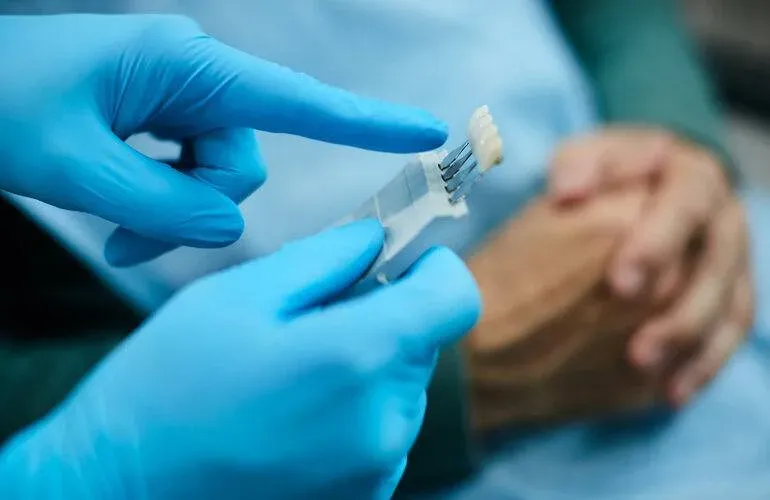
What are dental veneers?
Dental veneers are thin, custom-made shells that cover the front of a tooth. At Neola Dental in Minneola, FL, we place them for patients with discoloration, chips, gaps or misalignment. According to the American Dental Association, veneers are one of the most popular cosmetic dentistry treatments for those problems.
Veneers fix cosmetic problems without extensive orthodontic work or invasive treatment. Unlike teeth whitening, which may need frequent touch-ups, they last years, and they also cover chips and uneven shapes that whitening cannot touch.
Types of veneers: porcelain vs. composite
- Porcelain veneers: dentists craft these from durable ceramic material that closely mimics the natural translucency of teeth. They resist stains effectively and can last between 10 to 15 years with proper care. However, they tend to cost more than composite veneers.
- Composite resin veneers: dentists make these veneers from tooth-colored resin, similar to dental bonding material. They offer a more affordable alternative to porcelain veneers but may not last as long, typically requiring replacement every 5 to 7 years.
How veneers differ from other dental treatments
Unlike crowns, which encase the entire tooth, veneers only cover the front surface, making them a minimally invasive option for aesthetic improvements. Compared to orthodontic treatments, veneers can provide a quicker and often more cost-effective solution for minor misalignment and cosmetic concerns.
The process of getting veneers
Initial consultation and assessment
At Neola Dental in Minneola, FL, our cosmetic dentistry team creates personalized treatment plans for dental veneers. The dentist assesses the patient's oral health, discusses aesthetic goals, and determines if veneers are the best solution. During this consultation, the dentist may take digital imaging or impressions to preview the final results and check that veneers fit with the patient's natural teeth.
Preparation of teeth for veneers
To prepare for veneers, the dentist removes a thin layer of enamel (usually about 0.5mm) from the tooth surface. This keeps the veneers from making the teeth look bulky. The dentist may place temporary veneers while the lab fabricates the permanent ones.
Bonding process and final placement
Once the veneers are ready, the dentist permanently bonds them using a special adhesive. The dentist carefully positions each veneer before hardening the adhesive with a curing light. The dentist then makes final adjustments to ensure a natural bite and comfortable fit.
Benefits of dental veneers
Aesthetic improvements: smile makeover
Veneers can significantly enhance the appearance of teeth by covering stains, chips, and minor misalignments. Dentists often combine several veneers into a full smile makeover.
Durability and longevity of veneers
Porcelain veneers can last 10-15 years with proper care, while composite veneers typically last 5-7 years. That lifespan is the main reason patients choose them over repeated whitening.
Minimal invasive procedure
Compared to crowns or orthodontic treatments, veneers require minimal alteration of the natural teeth. Since only a small portion of enamel is removed, the integrity of the natural tooth remains largely intact.
Potential drawbacks and considerations
Possible sensitivity and maintenance requirements
Some patients may experience temporary sensitivity to hot and cold foods after getting veneers. Regular dental hygiene and proper care can help minimize discomfort and prolong the lifespan of the veneers.
Irreversibility and permanent changes to teeth
Since the dentist removes a portion of enamel, the procedure is irreversible. Patients should carefully consider this before committing to veneers, as they will require lifelong maintenance or replacement.
Who is a suitable candidate for veneers?
Ideal conditions for veneer application
Veneers are suitable for individuals with:
-
Discolored or stained teeth that cannot be corrected with whitening
-
Chipped or worn teeth
-
Gaps or minor misalignment
-
Irregularly shaped teeth
Contraindications and limitations
Individuals with severe tooth decay, gum disease, or those who excessively grind their teeth may not be suitable for veneers. Patients with weakened teeth or insufficient enamel may need alternative treatments like dental crowns.
Caring for your veneers
Daily maintenance tips for longevity
To extend the lifespan of veneers:
-
Brush and floss daily
-
Use non-abrasive toothpaste to prevent scratches
-
Visit the dentist regularly for professional cleanings
Foods and habits to avoid with veneers
-
Avoid biting into hard objects (ice, pens, or fingernails)
-
Limit consumption of staining beverages like coffee and red wine
-
Wear a mouthguard if prone to grinding teeth at night
Comparing veneers with other cosmetic dentistry options
Veneers vs. crowns: key differences
While veneers cover only the front surface, crowns encase the entire tooth, providing more structural support. Crowns are often used for severely damaged or weakened teeth, whereas veneers are primarily cosmetic.
Alternatives to veneers: whitening, bonding, etc.
Patients looking for a less invasive or temporary solution may consider options like professional teeth whitening or dental bonding. These alternatives, however, do not offer the same durability or transformation as veneers.