
Invisalign vs braces: which is right for you?
Invisalign vs braces: honest cost, speed, comfort and which fits you. See the full comparison for adults in Minneola, FL. Free Invisalign consult.
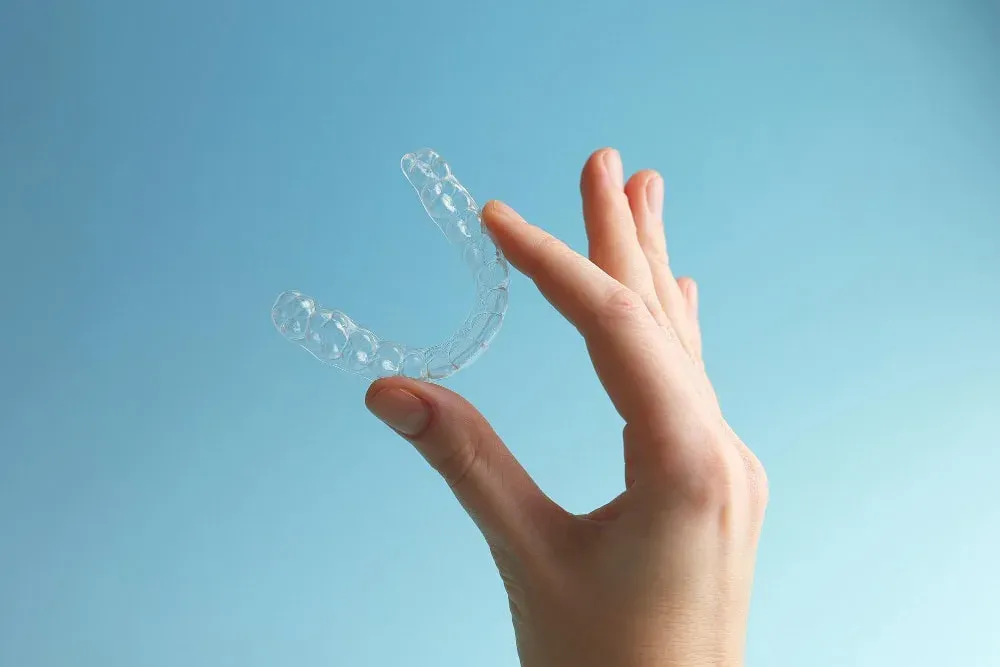
Short answer: choose Invisalign for nearly invisible, removable aligners you take out to eat and brush, ideal for mild to moderate crowding or spacing and busy adults. Choose braces (fixed brackets and wires) for complex bites, severe crowding, or rotated teeth that need constant force. For many adults in Minneola, Invisalign is the more comfortable, discreet fit, and it is what we offer at Neola Dental.
The first question when you decide to straighten your teeth is almost always the same: Invisalign or braces? The answer depends on your specific bite, your lifestyle, and how visible you want treatment to be. This guide compares them side by side so you know what to expect before your first visit.
At Neola Dental in Minneola, Dr. Josaida Contreras, DDS, offers Invisalign clear aligners for patients across Minneola, Clermont, and Groveland. We also explain how traditional braces work below, and we will tell you which option fits your case, even when it is braces.
Invisalign vs braces at a glance
These are the comparisons patients ask for most. Numbers are typical national and Central Florida ranges; your exact plan and cost depend on your own teeth and are confirmed at a consultation.
Visibility
- Invisalign (clear aligners): Nearly invisible, clear plastic trays
- Braces (fixed brackets and wires): Visible; metal is most common, ceramic (tooth-colored) less so
Comfort
- Invisalign (clear aligners): Smooth plastic, less irritation to cheeks and lips
- Braces (fixed brackets and wires): Brackets and wires can poke and irritate, especially early on
Cost range
- Invisalign (clear aligners): About $3,000 to $9,000; many cases $4,000 to $7,000
- Braces (fixed brackets and wires): About $2,500 to $7,000; metal usually lowest, ceramic higher
Treatment time
- Invisalign (clear aligners): Typically 6 to 18 months for mild to moderate cases
- Braces (fixed brackets and wires): Typically 12 months to 3 years, depending on complexity
Maintenance
- Invisalign (clear aligners): Remove to eat and brush; clean trays daily; wear 20 to 22 hours a day
- Braces (fixed brackets and wires): Fixed in place; avoid hard, sticky foods; more cleaning around brackets
Best for
- Invisalign (clear aligners): Mild to moderate crowding, spacing, relapse after past braces, busy adults and teens
- Braces (fixed brackets and wires): Severe crowding, large rotations, complex bite corrections, jaw alignment
Aligners give you flexibility and discretion; braces give you control. When a case is complex, fixed braces can move teeth in directions removable trays struggle with.
How Invisalign works
Invisalign uses a series of clear, custom-made plastic aligners that you swap out roughly every one to two weeks. Each tray moves your teeth a small, planned amount. You wear them 20 to 22 hours a day, taking them out only to eat, drink anything but water, and brush.
At Neola Dental, Dr. Contreras takes digital scans of your teeth, so there are no goopy impressions, and maps out your movement before treatment begins. You can often preview a 3D simulation of your expected result. Patients like that the trays are removable (no food restrictions, easy brushing) and nearly invisible, which matters for adults who work or meet people face to face. Learn more on our Invisalign page.
The trade-off is responsibility: aligners only work while they are in your mouth. If you do not wear them 20 to 22 hours, treatment slows down.
How braces work
Traditional braces use brackets bonded to each tooth and a wire that threads through them. Your provider adjusts the wire over time, and that steady force moves the teeth into place. Because the hardware is fixed, treatment works around the clock without relying on the patient to remember anything.
Braces are often the better tool for severe crowding, large rotations, teeth that need to move significantly, or bite and jaw issues that aligners handle less predictably. The downside is visibility and comfort: brackets can irritate the inside of the mouth, there are food restrictions (no popcorn, hard candy, sticky gum), and cleaning around the hardware takes more effort.
Note: general dentists like Dr. Contreras typically refer truly complex, jaw-level orthodontic cases to an orthodontist, while offering Invisalign directly for the mild to moderate cases where it works well.
Which is faster, Invisalign or braces?
For mild to moderate cases, Invisalign is often as fast or faster, with many patients finishing in 6 to 18 months because the plan is pre-mapped digitally. For complex cases, braces can be more efficient because they apply constant force and do not depend on patient wear time. Speed depends more on how complicated your bite is than on the tool itself. We give you a realistic time estimate after your exam.
Invisalign vs braces cost
Both come in a range, not a single price. Invisalign typically runs about $3,000 to $9,000, with most everyday cases around $4,000 to $7,000 in our market. Traditional metal braces usually run about $2,500 to $7,000, with ceramic (clear) braces at the higher end.
So yes, $6,000 is a normal, reasonable cost for Invisalign for a moderate to involved case. Simple touch-ups sit lower; full-arch treatment sits higher. Your final number depends on treatment length, aligner count, and any attachments, retainers, or refinements. Many dental plans include adult orthodontic coverage that applies to Invisalign, and at Neola Dental we offer financing and free consultations so you get a clear, written estimate before you decide. If you are also weighing cosmetic options, see our veneers vs crowns comparison for how straightening fits a fuller smile plan.
Which hurts less, Invisalign or braces?
Both cause some soreness because both move your teeth. Most patients find Invisalign more comfortable day to day: smooth plastic has no brackets or wires to poke the cheeks, and pressure is felt mainly when you switch to a new tray, easing after a day or two. Braces tend to cause more soft-tissue irritation plus soreness after wire adjustments. Neither is severe pain for most people, and over-the-counter relief handles the achy days.
Which is better for adults, Invisalign or braces?
For most adults, Invisalign is the more popular fit because it is discreet, removable for work and social events, needs fewer office visits, and has no food restrictions. Many adults also choose it for relapse, teeth that shifted after wearing braces years ago. Braces still win for complex bites or anyone who doubts they will wear aligners consistently. The best way to know is an evaluation, where Dr. Contreras measures your crowding, spacing, and bite and tells you whether aligners can deliver the result you want.
Frequently asked questions about Invisalign vs braces
Is $6,000 normal for Invisalign?
Yes. Around $6,000 is in the normal mid-to-upper range. Everyday cases typically cost $4,000 to $7,000, simple touch-ups run closer to $3,000, and complex full-mouth treatment can reach $8,000 to $9,000. The price depends on treatment length and aligner count. We give a written estimate and review financing and any orthodontic insurance at your free consultation.
Is Invisalign faster than braces?
It depends on your case. For mild to moderate crowding or spacing, Invisalign is often as fast or faster, with many patients finishing in 6 to 18 months. For complex bites or severe crowding, braces can be faster because they apply constant force and do not depend on daily wear time. We give you a realistic timeline after your exam.
What is the downside of Invisalign?
The main downside is compliance: aligners only work while they are in your mouth, so you must wear them 20 to 22 hours a day or treatment slows or stalls. Other downsides are removing them to eat and drink, which takes discipline, and that very complex cases may need braces instead.
How painful is Invisalign compared to braces?
Most patients find Invisalign less painful overall. The smooth plastic causes little soft-tissue irritation, and you mainly feel pressure for a day or two when you switch trays. Braces can cause more soreness from brackets and wires rubbing the mouth, plus achiness after wire adjustments. Neither is severe for most people.
Which is better for adults, Invisalign or braces?
For most adults, Invisalign is the better fit because it is nearly invisible, removable, allows normal eating and brushing, and needs fewer office visits. Braces are still preferred for complex bites or for adults unsure they will wear aligners consistently. An evaluation determines which is right for your teeth.
Does Invisalign cost more than braces?
Often yes, slightly, but the gap is smaller than people expect. Invisalign typically runs $3,000 to $9,000 versus about $2,500 to $7,000 for metal braces, with ceramic braces often similar to or higher. In many moderate cases the two are close in price, and insurance and financing can narrow the gap.
Straighten your smile with Invisalign in Minneola, FL
If you live in Minneola, Clermont, Groveland, or anywhere around South Lake County and you want a straighter, more confident smile, Invisalign clear aligners may be a comfortable, discreet fit. Dr. Josaida Contreras, DDS, will evaluate your bite, tell you whether clear aligners are right for your case, and give you pricing and a timeline, with no pressure.
Neola Dental · 825 US-27 #104, Minneola, FL 34715 · (352) 717-2177
Book your free Invisalign consultation today: request an appointment or call us. We will help you choose the option that fits your smile and your budget.