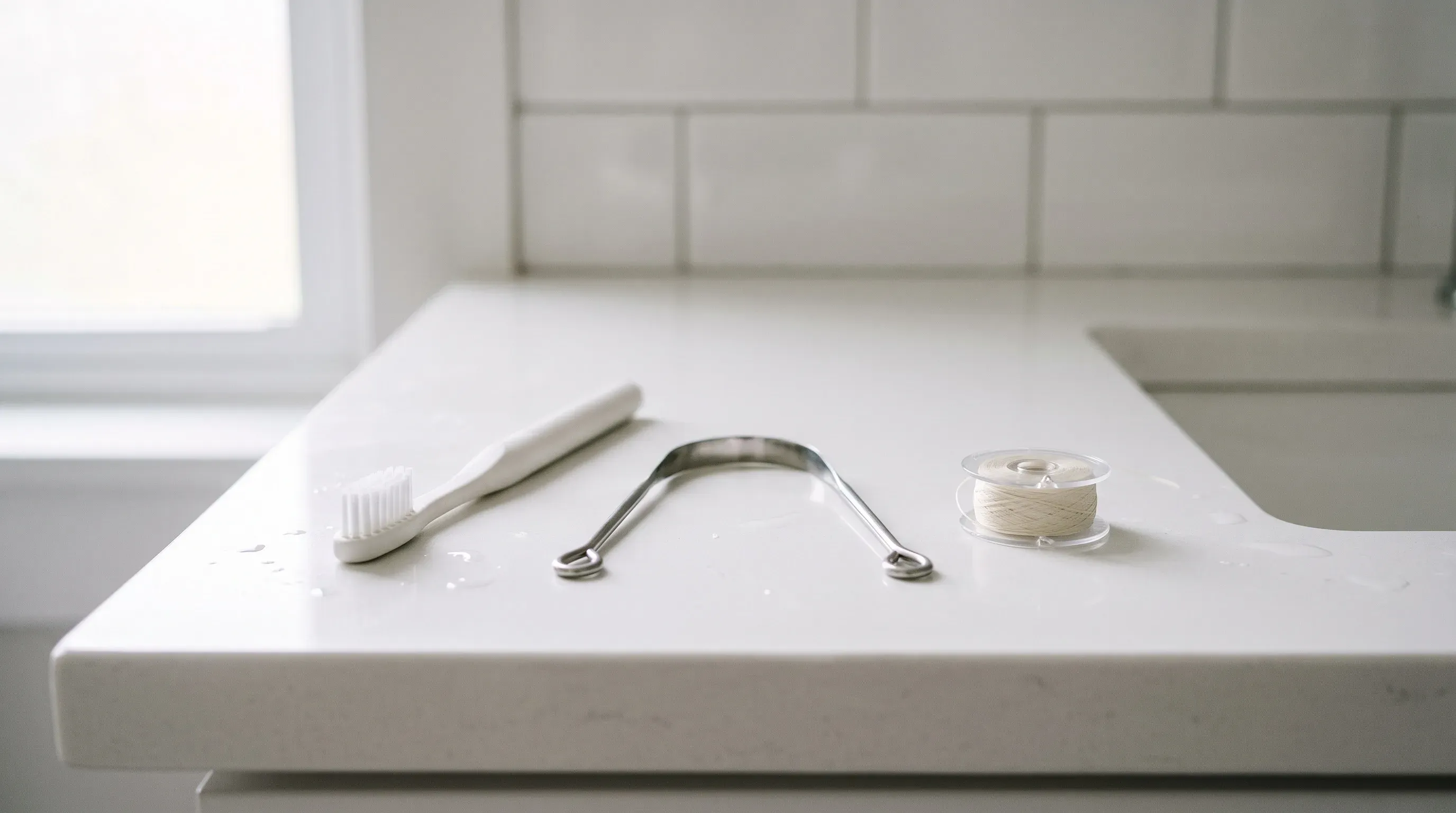
What to expect during wisdom tooth extraction recovery?
Learn what to expect after wisdom tooth extraction. Tips for managing pain, swelling, and proper healing for a smooth recovery.

What is wisdom tooth extraction recovery?
Wisdom tooth extraction recovery is the healing process that follows the removal of your third molars. At Neola Dental in Minneola, FL, we guide patients through each stage of wisdom tooth extraction recovery. According to the American Dental Association, proper care during wisdom tooth extraction recovery typically takes about one week.
What are wisdom teeth?
Wisdom teeth, also known as third molars, are the last set of teeth to emerge, typically between the ages of 17 and 25. While some people experience no issues, many encounter problems due to lack of space in the mouth. These issues include pain, swelling, infections, and damage to adjacent teeth or gums.
Why is it necessary to extract a wisdom tooth?
Extracting wisdom teeth is often necessary to prevent complications like impacted teeth, cyst formation, and crowding of existing teeth. It is a common procedure that can significantly improve oral health.
The wisdom tooth extraction procedure
Steps involved in the surgery
The tooth extraction process involves several steps:
- Initial assessment: The dentist or oral surgeon evaluates the position and condition of the tooth using X-rays.
- Preparation: The area is sterilized, and anesthesia is administered.
- Extraction: The gum tissue is carefully opened, and the tooth is removed, often in sections to minimize trauma.
- Closure: Stitches may be used to close the wound and promote healing.
Types of anesthesia used
Depending on the complexity of the extraction and patient preference, dentists typically use:
- Local anesthesia to numb the area around the tooth.
- Sedation anesthesia for a relaxed, pain-free experience.
- General anesthesia for complex cases or patient comfort.
Duration of the procedure
Wisdom tooth extraction usually takes 30 to 60 minutes per tooth. For multiple extractions, the procedure may last longer, but patients are often able to return home the same day.
Wisdom tooth extraction recovery: immediate post-operative care
Managing bleeding and swelling
During wisdom tooth extraction recovery, bleeding is common in the first 24 hours after surgery. Patients should bite gently on gauze for 30-45 minutes to help a clot form. Swelling can be managed with cold compresses applied to the face for 15-minute intervals during the first day.
Pain relief options
Pain during wisdom tooth extraction recovery is typically controlled with over-the-counter medications like ibuprofen or acetaminophen. In some cases, your dentist may prescribe stronger medications. Follow your dentist instructions closely to ensure effective relief.
Importance of rest and elevation
Resting with your head elevated helps reduce swelling and discomfort. Avoid strenuous activity during the first 48 hours, as this can increase bleeding or disrupt the healing process.
Oral hygiene during wisdom tooth extraction recovery
How to clean your mouth safely
During wisdom tooth extraction recovery, avoid rinsing your mouth for the first 24 hours to prevent disturbing the blood clot. Afterward, use a saline solution or a dentist-recommended rinse to keep the area clean.
Importance of avoiding mouthwash initially
Mouthwash, especially those containing alcohol, should be avoided during the first week of wisdom tooth extraction recovery, as it can irritate the healing wound and delay recovery.
Tips for gentle brushing around the extraction site
Brush your teeth carefully, avoiding the extraction site. Use a soft-bristled toothbrush and avoid vigorous spitting, as it can dislodge the clot.
Complications during wisdom tooth extraction recovery
Most wisdom tooth extraction recovery proceeds smoothly, but watch for signs of complications, such as:
- Persistent bleeding beyond 24 hours.
- Severe pain that does not improve with medication.
- Signs of infection, including fever, pus, or a bad taste in the mouth.
- Dry socket, a painful condition where the blood clot is dislodged or fails to form properly.
If any of these occur during your wisdom tooth extraction recovery, contact your dentist immediately to prevent further issues.
Wisdom tooth extraction recovery: day-by-day timeline
Knowing what to expect each day makes recovery far less stressful. Every patient heals a little differently depending on the complexity of the extraction and individual health factors, but most people follow a similar pattern. Here is a general timeline based on clinical norms.
Day 1 - the first 24 hours
This is the most important day of your recovery. Blood clot formation is the body's first step toward healing, and protecting that clot is critical. You will likely feel some numbness for a few hours after the procedure while the anesthesia wears off. Once sensation returns, discomfort and swelling begin to increase and typically peak between 24 and 48 hours post-surgery.
- Bite gently on clean gauze for 30 to 45 minutes after leaving the office to control bleeding
- Apply an ice pack to the outside of your cheek in 15-minute intervals to limit swelling
- Take your prescribed or recommended pain medication before the numbness fully wears off
- Do not spit, rinse, or use a straw - negative pressure in the mouth can dislodge the clot
- Rest with your head elevated above heart level to reduce blood pressure in the surgical area
- Stick to soft, cool foods like yogurt, applesauce, smoothies, and ice cream - nothing hot
Days 2 and 3 - swelling peaks and begins to ease
Swelling, bruising, and jaw stiffness (called trismus) are common and expected during this window. Your face may look noticeably puffier than the day before, which is normal. Swelling tends to peak around the 48-hour mark and then slowly starts to reduce. Some bruising on the jaw or neck is also normal, particularly after a complex extraction.
- Continue icing during the first 48 hours, then switch to warm compresses after that to help reduce swelling
- You may start gentle saltwater rinses after 24 hours - half a teaspoon of salt in 8 ounces of warm water, swished gently and allowed to fall out of the mouth without forceful spitting
- Continue soft foods and avoid anything crunchy, chewy, or small (like seeds or rice) that could get lodged in the socket
- Jaw stiffness and limited mouth opening are common and usually resolve within a week
Days 4 through 7 - noticeable improvement
By day 4, most patients feel significantly better. Swelling should be visibly reduced, and pain should be well-controlled with over-the-counter ibuprofen or acetaminophen. Many people are able to return to work or school by day 3 to 4, depending on the nature of their job and how they feel. The extraction site is actively healing from the inside out during this period, though it may look like there is an open hole - that is normal.
- Continue saltwater rinses after meals to keep the socket clean
- You can gradually introduce slightly more textured foods, but avoid anything that requires significant chewing force
- If you received dissolvable sutures, they will begin to loosen and fall out on their own around days 5 to 7
- Light activity can resume by day 4 or 5, but avoid exercise that significantly raises your heart rate for at least a week
Week 2 and beyond - returning to normal
By the end of the second week, most patients feel close to normal. Soft tissue at the surface of the socket has usually closed over by day 7 to 10, though complete bone healing of the socket takes several months. You can typically resume a normal diet and full physical activity by the start of week 2 if healing is progressing well. A follow-up appointment with your dentist confirms everything is on track.
What to eat after wisdom tooth extraction
Diet is one of the biggest variables in how comfortable your recovery feels. The right foods prevent irritation at the extraction site and keep your nutrition up while your body heals.
Good options for the first few days
- Greek yogurt - high protein, smooth texture, cool temperature
- Mashed potatoes - soft, filling, and easy to eat without chewing (skip the skins and wait until cooled to room temperature)
- Scrambled eggs - soft, protein-rich, and easy to make
- Applesauce and pureed fruits
- Smoothies - drink through the side of your mouth, not a straw
- Soup broths - lukewarm, not hot (avoid noodles or chunks in the first 48 hours)
- Ice cream and frozen yogurt - the cold temperature is soothing on day 1
- Avocado and hummus
- Soft-cooked oatmeal by day 3 or 4
Foods to avoid
- Hard, crunchy foods - chips, crackers, raw vegetables, nuts
- Chewy foods - gummy candy, tough meats, bagels
- Small particles - seeds, rice, and popcorn that can get trapped in the socket
- Spicy foods - can irritate healing tissue
- Very hot food and drinks - heat increases swelling and can disrupt the clot
- Alcohol - interferes with healing and interacts with pain medications
- Straws - the suction motion can dislodge the blood clot
Warning signs: when to call your dentist
Most wisdom tooth recovery is uneventful, but it is important to know which symptoms are normal and which ones require a call to your dentist. Do not wait if you are unsure - early intervention always produces better outcomes than delayed treatment.
Dry socket: the most common complication
Dry socket (alveolar osteitis) occurs when the blood clot that forms in the extraction site becomes dislodged or dissolves before the wound has healed. It exposes the underlying bone and nerve endings to air, food, and fluids. It is painful - often significantly more painful than the extraction itself - and typically develops between days 2 and 5 after surgery.
Signs of dry socket include:
- Severe, throbbing pain that starts 2 to 4 days after surgery and is not controlled by over-the-counter medication
- Pain that radiates to the ear, eye, temple, or neck on the same side as the extraction
- A visible empty socket where the blood clot should be, or a socket that looks gray or white rather than dark red
- Bad breath or an unpleasant taste in the mouth that does not go away with rinsing
Dry socket is not an infection, but it is a real complication that requires treatment. Your dentist will clean the socket and apply a medicated dressing that provides relief, typically within hours. Call us at (352) 717-2177 if you suspect dry socket - this is not a situation to wait out.
Signs of infection
Infection after wisdom tooth extraction is less common than dry socket but more serious. Contact your dentist promptly if you experience any of the following:
- Fever above 100.4 degrees Fahrenheit
- Swelling that is getting worse after day 3 rather than improving
- Pus or yellow/green discharge from the extraction site
- A persistently bad taste or smell in the mouth that does not improve with saltwater rinses
- Difficulty swallowing or opening your mouth that is worsening rather than improving
Other reasons to call your dentist
- Bleeding that soaks through a full gauze pad every 30 minutes and has not slowed after 2 to 3 hours
- Numbness that has not improved after 24 hours post-surgery
- Any concern that something does not feel right - it is always better to ask
Caring for your mouth during recovery
These habits protect the extraction site and help you heal faster:
- No smoking or tobacco use for at least 72 hours - nicotine constricts blood flow and dramatically increases dry socket risk
- Rinse gently with warm saltwater after the first 24 hours, especially after meals
- Avoid touching the socket with your tongue or finger
- Sleep with your head slightly elevated for the first 2 to 3 nights
- Take your full course of antibiotics if prescribed, even if you feel better early
At Neola Dental in Minneola, we send patients home with written post-operative instructions and are always available by phone for questions during your recovery.
Frequently Asked Questions
How long does wisdom tooth extraction recovery take?
Most patients feel significantly better within 3 to 5 days, and the soft tissue surface of the socket usually closes within 7 to 10 days. Full bone healing of the socket takes several months, but this process happens below the surface without pain or noticeable symptoms. The American Dental Association notes that most patients are back to normal activities within about one week.
How do I know if I have dry socket?
Dry socket typically begins 2 to 4 days after surgery and feels like intense, throbbing pain that is much worse than what you experienced right after the extraction - and is not relieved by over-the-counter pain medicine. You may also notice a foul taste or smell, and the socket may look empty or grayish rather than dark red. Call your dentist immediately if this happens - dry socket responds well to treatment when caught early.
Can I eat normally after wisdom tooth removal?
Not right away. Stick to soft, cool foods for the first 24 to 48 hours - yogurt, smoothies, applesauce, mashed potatoes, and scrambled eggs are good options. Gradually introduce softer solid foods around day 3 to 5. Most patients return to a normal diet by week 2. Avoid crunchy, chewy, or small-particle foods (seeds, rice, popcorn) and very hot food or drinks throughout the first week.
When can I go back to work after wisdom tooth extraction?
Most patients with desk jobs or light-duty work return after 2 to 3 days. If your job involves physical labor, strenuous lifting, or significant talking, you may need closer to 4 to 5 days. Listen to your body - if you are still in significant discomfort, rest is more valuable than returning early.
Is it normal to have jaw stiffness after wisdom tooth removal?
Yes. Trismus - limited mouth opening and jaw stiffness - is common after wisdom tooth extraction, particularly when lower teeth are removed. It usually resolves within 7 to 10 days as the muscles and surrounding tissue recover from the procedure.
Schedule your wisdom tooth extraction recovery consultation
Wisdom tooth extraction recovery typically takes a week, and following the post-operative instructions you receive keeps healing on track. If you have questions during your wisdom tooth extraction recovery, schedule an appointment with Dr. Contreras and the Neola Dental team in Minneola, FL. Call us at (352) 717-2177 or visit our office at 825 US Hwy 27 #104, Minneola, FL 34715.