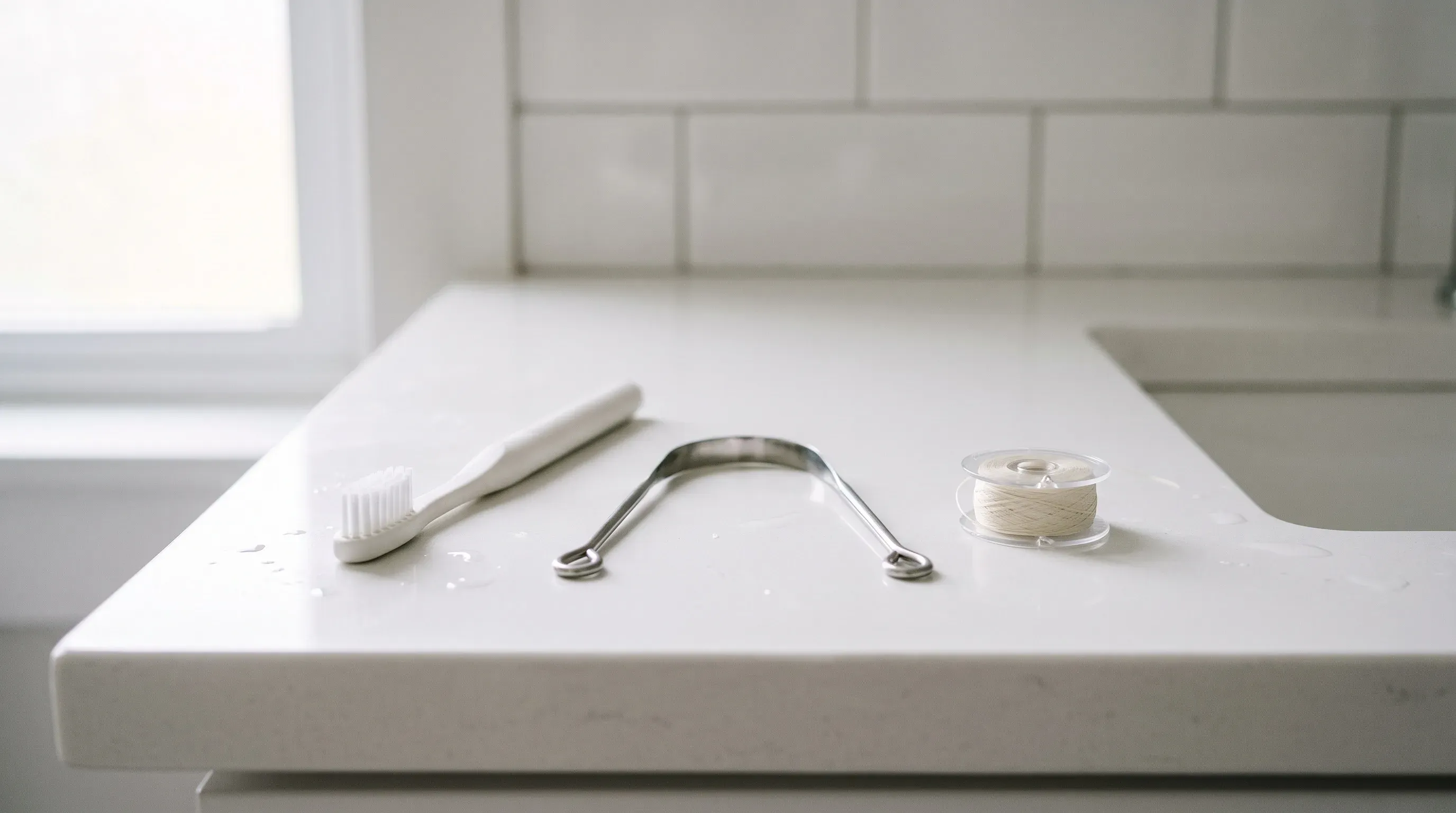
Different types of dentures: which one is right for you?
Explore different types of dentures in Minneola: full, partial, implant-supported & snap-in options. Find the right fit at Neola Dental. Book a consult!
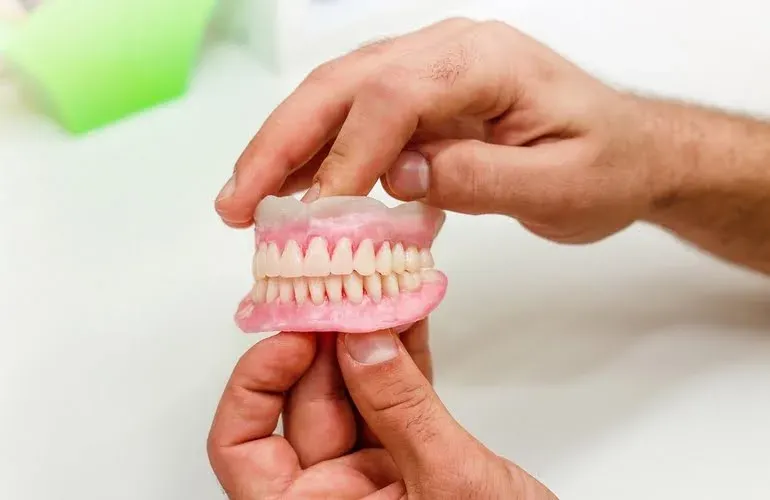
Dentures are custom-made prosthetic devices that replace missing teeth and restore function and appearance to the smile. If you have recently lost teeth or are dealing with significant dental problems, dentures can bring back your appearance and make everyday life easier.
Different types of dentures suit different needs, and the type you choose changes how the denture fits, how long it lasts and what it costs. It is essential to understand the options available before you make a decision, so we have laid them out one at a time. This article covers the types of dentures, the materials they are made from, their benefits and drawbacks, and what to ask before deciding.
Different types of dentures
Your dentist may recommend one of the following, depending on how many teeth you have left and on the condition of your gums and jawbone. Each option comes with its own advantages and trade-offs, so it is worth going through them one by one.
Full dentures
Full dentures, also called complete dentures, replace all the teeth in a patient's upper or lower jaw. They are usually recommended when all natural teeth have been lost to age, injury or illness.
They are custom-made to fit snugly and rest on the gums. For complete tooth loss they are an affordable and effective solution.
Partial dentures
Partial dentures are used when some natural teeth remain in the mouth. They fill the gaps left by missing teeth while preserving the natural teeth you still have. A partial denture typically has a metal framework with prosthetic teeth attached, and it is supported by the natural teeth. It also helps keep the remaining teeth aligned, and it restores both function and appearance. Full dentures are typically the better fit when no natural teeth remain, and partial dentures when some do.
Immediate dentures
Immediate dentures are temporary dentures placed right after teeth are extracted. They let you keep your appearance and your ability to chew while the gums heal, and they are a quick answer for anyone who needs replacement teeth right away. They may need adjusting once the gums have healed and shrunk.
Implant-supported dentures
Implant-supported dentures add stability. They are secured in place by dental implants, which are titanium posts surgically placed into the jawbone.
The fit is more secure than with traditional dentures, and they can be full or partial. They suit people who want a more permanent solution without the discomfort and shifting of dentures that rest only on the gums.
Snap-in dentures
Snap-in dentures are another kind of implant-supported denture. They snap into place over dental implants, which gives a secure fit, and you can still take them out for cleaning and care. They work for both full and partial cases, and they combine the stability of implants with the convenience of a removable denture.
Overdentures
Overdentures fit over remaining natural teeth or over dental implants. They add stability and can reduce jawbone shrinkage over time.
They suit people who have a few natural teeth that are still healthy enough to support the denture. They can be full or partial, and many patients prefer them for how stable and comfortable they feel.
Custom dentures
Custom dentures are designed to match the structure of your mouth and are made from higher-grade materials. They look more natural and feel better than standard dentures, which is why people who want a more personalized solution choose them. They tend to cost more, and the extra cost goes into a superior fit and appearance. They are meant for people who want a more personalized solution for replacing their teeth.
Denture materials
The material affects comfort, durability and appearance. These are the most common ones.
Acrylic resin
Acrylic resin is one of the most common denture materials. It is lightweight, affordable and can be molded into a natural-looking set of teeth. It is used for both full and partial dentures and looks good, but it can wear down faster than other materials.
Metal frameworks
For partial dentures, a metal framework is often used for strength and durability. The framework is usually stainless steel or a cobalt-chromium alloy, both light and strong. A metal partial denture fits securely and stays in place while you eat and speak.
Porcelain dentures
Porcelain dentures are more durable and more pleasing to look at than acrylic ones, because the material is translucent like natural teeth. Porcelain also resists staining. It is more expensive and slightly more likely to break if you drop it, so it is a trade between appearance and cost.
Benefits of dentures
- Chewing and eating improve: dentures let you eat a wider variety of foods again, which makes it easier to keep a balanced diet and good nutrition.
- Speech returns to normal: missing teeth can change how words sound, and dentures help restore your usual way of speaking, so you can speak more clearly and with more confidence.
- The face keeps its shape: dentures fill the gaps left by missing teeth and reduce the sagging or sunken look that follows tooth loss.
- Confidence goes up: with working teeth and a natural appearance, eating, speaking and smiling no longer involve worrying about your teeth, and you can take part in everyday activities freely.
Drawbacks of dentures
While dentures offer many benefits, they do have drawbacks to consider before you choose.
- Traditional dentures can shift or slip, especially while eating or talking, and that can be uncomfortable or embarrassing.
- The gums can get irritated and sore, especially during the first weeks of adjustment, while the mouth adjusts to the new prosthetic.
- Wearing dentures for years can contribute to jawbone shrinkage, because the bone loses the stimulation of natural teeth. The fit then changes, and the denture may need adjusting or relining.
- Dentures need daily cleaning and soaking, and regular dentist visits are essential to make sure they still fit properly. That upkeep is part of the cost of wearing them.
If you are weighing full, partial or implant-supported dentures, the team at Neola Dental in Minneola can go over each option with you, from the first consultation to aftercare. You can start by looking at our denture services.