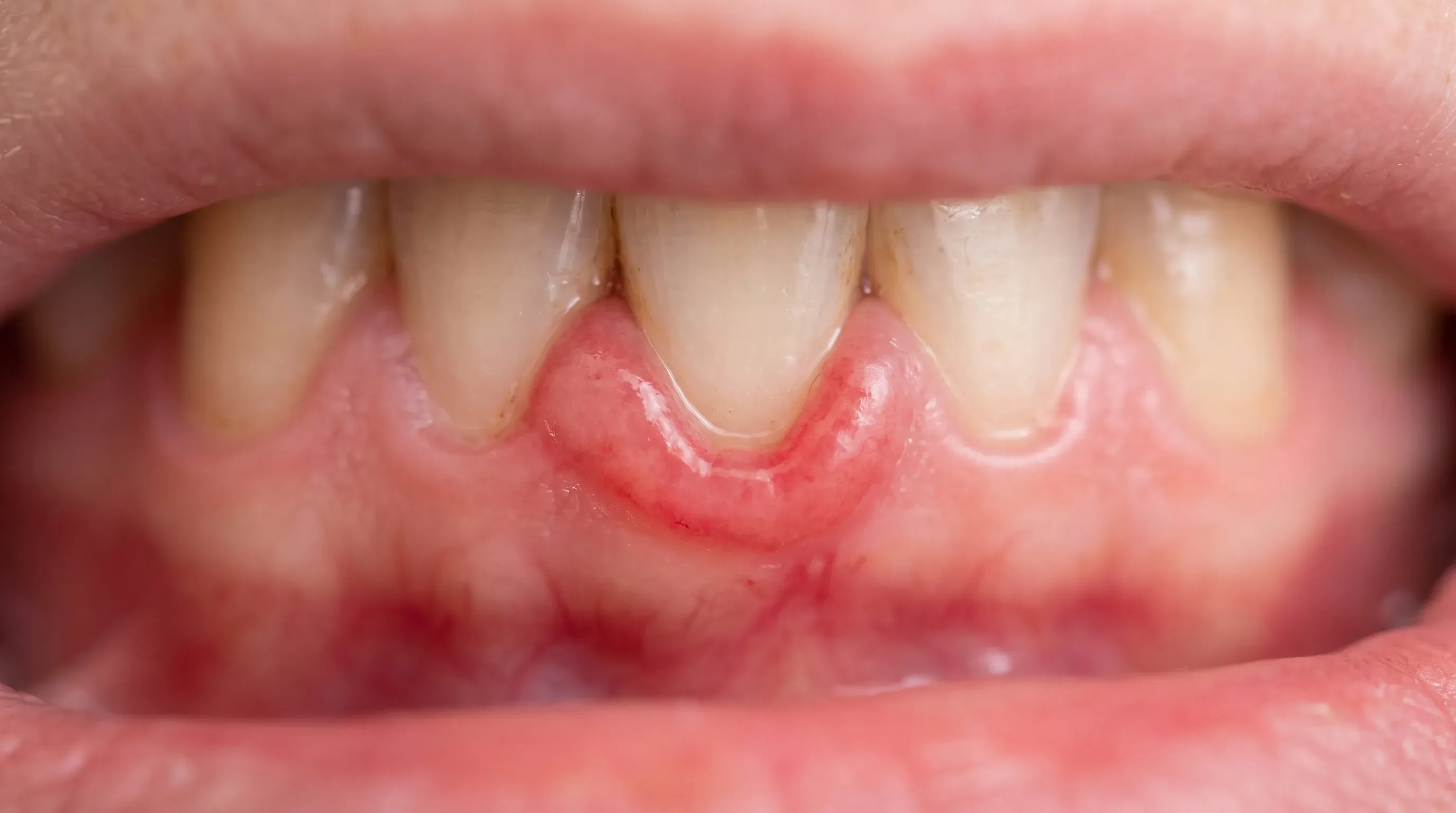
Root Canal vs. Tooth Extraction: Which One Saves Your Tooth (and Your Wallet)?
Root canal or extraction? Compare pain, cost, recovery time, and what happens after each, so you can make the right call for your tooth.
When a tooth is badly decayed or infected, you usually have two options: a root canal, which removes the infection and keeps the tooth, or an extraction, which removes the tooth entirely. In most cases, dentists recommend saving the natural tooth when possible. Below, we break down the real differences in pain, cost, recovery, and what happens next.
What Is a Root Canal?
A root canal treats a tooth from the inside. Your dentist removes the infected or inflamed pulp, the soft tissue with nerves and blood vessels at the center of the tooth, cleans out the space, and seals it. A crown often follows to protect the tooth afterward.
According to MouthHealthy, the American Dental Association's patient education site, a root canal usually takes one or two office visits, and modern anesthesia means most patients feel little to no pain during the procedure itself. The tooth stays in your mouth, doing its job, for years afterward in most cases.
What Is a Tooth Extraction?
An extraction removes the entire tooth. Your dentist numbs the area, loosens the tooth, and lifts it out. Simple extractions are quick, often finished in minutes, while a tooth that has broken below the gumline may need a slightly more involved surgical extraction.
The Cleveland Clinic notes that dentists generally recommend extraction only when a tooth cannot be saved through other treatment, since removing a natural tooth is considered a last resort rather than a first choice.
Root Canal vs. Extraction: How They Compare
Both procedures solve the same underlying problem: a tooth that is causing pain or infection. The right choice depends on how much of the tooth is left to work with, and what you want for your smile long term.
When a Root Canal Is the Better Choice
- The tooth's root and surrounding bone are still healthy, even if the inside of the tooth is infected.
- You want to keep your natural tooth and avoid the cost of a replacement like an implant or bridge.
- The infection has not caused major damage to the bone supporting the tooth.
- You are willing to complete a follow-up crown to protect the tooth long term.
When Extraction Makes More Sense
- The tooth is fractured below the gumline or too damaged to support a crown afterward.
- Decay or infection has destroyed too much of the tooth's structure to save it.
- Advanced gum disease has already loosened the tooth in its socket.
- You and your dentist agree that a replacement option, like an implant, fits your situation better than trying to save a compromised tooth.
Pain: What to Expect With Each
Both procedures use local anesthesia, so neither one hurts during the appointment itself. Most of the discomfort people associate with a root canal actually comes from the infection that made the procedure necessary in the first place, not the treatment.
After a root canal, mild soreness for a few days is normal and usually responds well to over-the-counter pain relievers. After an extraction, expect some swelling and tenderness for several days, especially with a surgical extraction, along with care instructions to protect the healing socket.
Cost: What Drives the Price
As a general rule, a simple extraction costs less upfront than a root canal. But that comparison only tells part of the story. A root canal that saves your natural tooth typically ends the treatment there, aside from a crown.
An extraction, on the other hand, usually leads to a second decision: what replaces the missing tooth. Left empty, a gap can shift your bite and surrounding teeth over time. Most patients choose a dental implant, a bridge, or in some cases dentures, and those replacement costs add up. When you compare the full path, saving a tooth with a root canal and crown is often closer in total cost to extraction plus replacement than people expect.
Recovery Time: Root Canal vs. Extraction
A root canal usually allows a return to normal eating and activity within a day or two, once initial numbness wears off and mild soreness fades. Most people are back to their regular routine quickly.
Extraction recovery depends on the type. A simple extraction often heals enough for normal activity within a few days. A surgical extraction, or removal of multiple teeth, can take a week or more before the socket has closed over and swelling has fully resolved.
What Happens After Each Treatment
After a root canal, most teeth need a crown to restore strength and prevent fracture, since the tooth is more brittle without its nerve and blood supply. Once the crown is placed, the tooth functions like any other for years, often decades, with normal care.
After an extraction, the empty space needs attention. Nearby teeth can drift into the gap over months, and the opposing tooth can over-erupt without something to bite against. That is why dentists typically discuss replacement options, implant, bridge, or denture, at the same appointment where extraction is planned, rather than leaving the space open indefinitely.
Why Dentists Usually Recommend Saving the Tooth When Possible
Professional dental guidance consistently favors keeping a natural tooth over removing it, when the tooth can be reasonably saved. A natural tooth, even one that has had a root canal, tends to function more like your original bite than any replacement does. It also avoids the additional cost and healing time of a replacement procedure.
That said, saving a tooth is not always the better path. If a tooth is too damaged, too infected, or would fail again soon after a root canal, extraction and a planned replacement can be the more predictable, longer-lasting choice. This is exactly the kind of decision that benefits from an in-person exam and X-rays rather than guesswork, since every tooth and every patient's situation is different.
Your Next Step at Neola Dental
If you are dealing with a painful, infected, or badly damaged tooth, Dr. Josaida Contreras, DDS can examine the tooth, review your X-rays, and walk you through whether a root canal or extraction is the better fit for your situation, along with straightforward next steps either way.
We also see patients on Saturdays from 8:00 a.m. to 1:30 p.m., so a painful tooth does not have to wait until Monday.
Visit us at 825 US-27 #104, Minneola, FL 34715, or call (352) 717-2177 to schedule an exam.
Frequently Asked Questions
1. Is a root canal better than pulling a tooth? When a tooth can be saved, a root canal is usually the better long-term option because it keeps your natural tooth in place. Extraction becomes the better choice only when the tooth is too damaged, infected, or unstable to save.
2. Which is more painful, a root canal or an extraction? Neither is painful during the procedure itself, since both use local anesthesia. Most of the pain people fear from a root canal actually comes from the infection beforehand, not the treatment.
3. How much cheaper is an extraction than a root canal? An extraction alone usually costs less upfront than a root canal. However, extraction is often followed by a replacement tooth, like an implant or bridge, which can bring the total cost close to, or above, the cost of saving the tooth.
4. Can a tooth be pulled instead of getting a root canal? Yes, extraction is always an option if you prefer not to save the tooth. Keep in mind that an empty space can shift nearby teeth over time, so most dentists recommend a replacement plan alongside extraction.
5. What happens if I do not replace a tooth after extraction? Nearby teeth can drift into the open space, and the tooth across from it can shift as well, since it no longer has anything to bite against. Over months, this can affect your bite and make future replacement more complicated.