
Gum disease prevention: causes, signs, and how to protect your gums
Discover effective strategies on how to prevent gum disease and learn lifestyle choices for maintaining healthy gums.
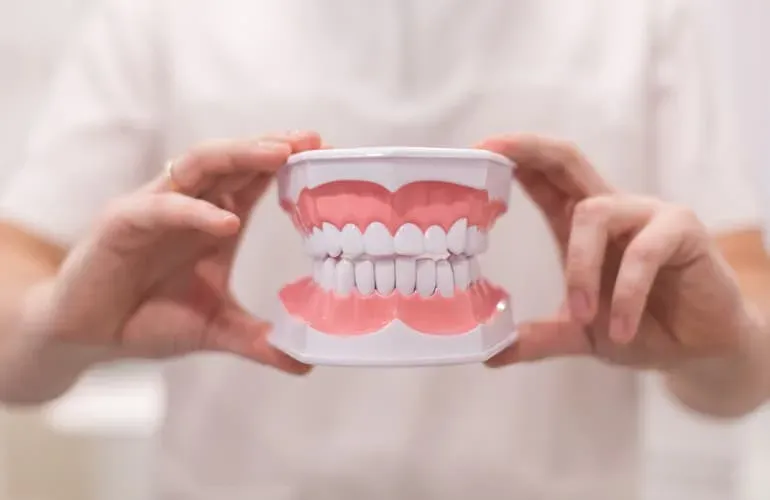
Gum disease, also known as periodontal disease, affects millions of Americans each year, often progressing silently until it becomes a serious issue. Daily care and regular dental visits can prevent gum disease in most people.
This guide covers how to prevent gum disease: its causes, its signs, and the daily habits and dental visits that keep your gums healthy.
Understanding gum disease and how to prevent it
Definition and types of gum disease
Gum disease is an infection of the tissues that surround and support your teeth. According to the American Dental Association, it typically begins as gingivitis, characterized by red, swollen gums that may bleed during brushing or flossing.
If left untreated, it can advance to periodontitis, a more severe form that can lead to tooth loss and damage to the jawbone. The longer plaque and tartar remain on your teeth, the more harmful they become, creating deep pockets between the teeth and gums where bacteria thrive.
Causes and risk factors of gum disease
The primary cause of gum disease is plaque - a sticky film of bacteria that forms on teeth. If plaque isn't removed through regular brushing and flossing, it hardens into tartar, leading to inflammation and infection.
Risk factors include smoking, hormonal changes, diabetes, certain medications, genetics, and poor oral hygiene habits. Even daily habits such as clenching your jaw or consuming excessive sugar can worsen gum conditions by weakening your gums' natural defenses.
Symptoms and stages of gum disease
Recognizing the signs early helps prevent gum disease from progressing. Symptoms include:
- Bleeding gums when brushing or flossing
- Persistent bad breath
- Swollen or tender gums
- Receding gum line
- Loose teeth
Gum disease progresses in stages, from mild gingivitis to advanced periodontitis, each requiring different levels of treatment and care. When caught early, the condition can often be reversed. However, advanced stages may require surgery or long-term periodontal therapy to restore oral health.
Oral hygiene to prevent gum disease
Brushing techniques to prevent gum disease
Brushing your teeth twice a day is essential to prevent gum disease. Use a soft-bristled toothbrush and fluoride toothpaste, brushing gently at a 45-degree angle toward the gum line. Spend at least two minutes brushing, covering all surfaces of the teeth.
An electric toothbrush can help with plaque removal and keep pressure and timing consistent.
Flossing daily to prevent gum disease
Flossing removes plaque and food particles from between the teeth and under the gum line - areas your toothbrush can't reach. Make it a daily habit to reduce gum inflammation and prevent bacteria buildup.
Skipping flossing, even occasionally, allows harmful bacteria to flourish and may lead to gum pockets or infection over time.
Mouthwash benefits to prevent gum disease
Antibacterial mouthwash can help reduce plaque, control tartar, and fight bacteria that lead to gum disease. Choose a mouthwash with ingredients like chlorhexidine or essential oils.
Mouthwash also helps freshen breath, reduce dry mouth, and reach deep crevices in the mouth, complementing brushing and flossing efforts.
Dental check-ups to prevent gum disease
Frequency of dental visits to prevent gum disease
Visiting your dentist at least twice a year helps prevent gum disease and detect it early. Those at higher risk may need more frequent visits. Regular check-ups also give your dental team a chance to monitor changes in your gums and recommend preventive steps tailored to your needs.
Professional cleaning to prevent gum disease
Dental professionals use specialized tools to remove hardened tartar that brushing and flossing alone can't handle. Regular cleanings help reduce inflammation and prevent gum disease from progressing.
These cleanings also allow for polishing the tooth surface, making it more difficult for plaque to adhere in the future.
Early detection benefits to prevent gum disease
Routine exams allow your dentist to identify early signs of gum disease and implement treatment before it becomes serious. Early intervention saves you time, money, and discomfort in the long run.
It also reduces the need for more invasive procedures and helps preserve your natural teeth and bone structure for years to come.
Lifestyle choices to prevent gum disease
Quit smoking to prevent gum disease
Smoking is one of the most significant risk factors for gum disease. It weakens your immune system, making it harder to fight infection, and slows healing. Quitting smoking helps prevent gum disease.
Smokers are also more likely to experience gum recession and develop deep gum pockets, making disease management more difficult.
Balanced diet to prevent gum disease
Eating a nutrient-rich diet supports your immune system and oral health. Foods high in vitamin C, calcium, and antioxidants can reduce gum inflammation and strengthen your gums.
Avoiding sugary snacks and acidic drinks also helps prevent plaque buildup and minimizes enamel erosion, both of which contribute to gum issues.
Managing stress to prevent gum disease
Chronic stress can weaken your immune response and lead to neglect of oral hygiene. Managing stress through mindfulness, exercise, or therapy can contribute to better gum health and help prevent gum disease.
Stress is also linked to teeth grinding and clenching, which can strain your gums and lead to receding gum lines or tooth mobility over time.
Recognizing early signs to prevent gum disease progression
Identifying symptoms like bleeding gums
Don't ignore bleeding gums, persistent bad breath, or changes in gum appearance. These are often the first signs of gum disease and require immediate attention. Other warning signs include tenderness, redness, or pus around the gum line - all indicators that your gums may be under attack.
Early intervention to prevent gum disease
Early treatment can reverse gingivitis and prevent gum disease from progressing. The sooner you act, the better your chances of preserving your natural teeth and oral health.
Delaying care can lead to chronic infection, tooth loss, and even systemic health complications like cardiovascular disease and diabetes.
Advanced measures to prevent gum disease
Dental sealants and fluoride to prevent gum disease
Dental sealants and fluoride treatments aren't just for kids. They offer additional protection for adults seeking to prevent gum disease by strengthening enamel and protecting vulnerable areas from decay and bacteria.
These treatments can be applied during routine dental visits and are especially useful for individuals with gum sensitivity or a history of cavities.
Technology innovations to prevent gum disease
Modern dentistry offers tools like laser therapy, digital scanning, and guided biofilm therapy that support early detection and preventive care. Ask your dental provider about the latest technologies available.
At Neola Dental in Minneola, FL, we see patients for routine cleanings and for treatment of periodontal problems. You can start by exploring our oral health services.