
How to brush your teeth correctly: tips for better oral care
Learn the fundamentals of proper tooth brushing. Discover how to correctly brush your teeth with the best tools and techniques.
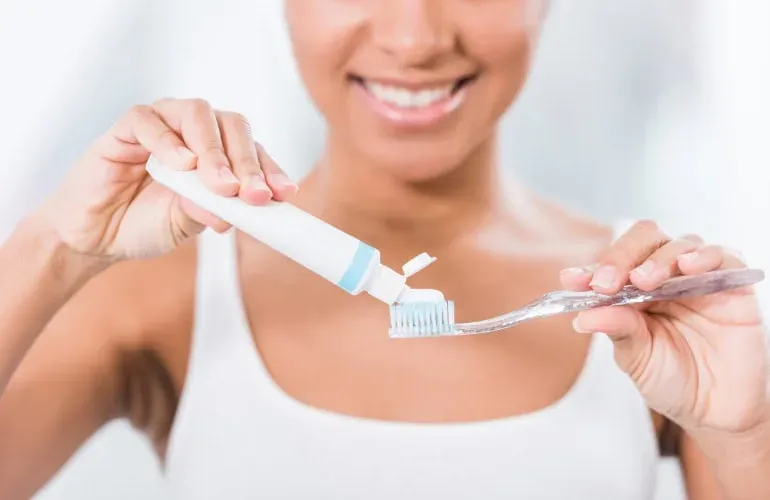
A healthy, attractive smile depends on daily habits, and those start with knowing how to correctly brush your teeth. Most of us learn to brush as children, but the details of technique are often overlooked, even in adulthood.
This guide shows you the best way to brush your teeth, the common mistakes to avoid, how to pick the right tools, and the habits that protect your teeth and gums for years to come.
Why brushing teeth correctly matters
Brushing properly is the foundation of good oral hygiene. According to the American Dental Association, knowing how to brush teeth correctly means actively fighting plaque, a sticky film of bacteria that can cause cavities and gum disease and even contribute to issues elsewhere in the body, like heart disease.
Brushing the right way, with the right tools, removes food debris, freshens your breath, and gives you confidence when you smile. Inadequate brushing, in contrast, can lead to bad breath, tooth decay, bleeding gums, and other painful or costly dental problems. The right brushing technique is one of the simplest and most effective steps you can take for your long-term health.
Choosing the right toothbrush
Manual or electric
When you choose a toothbrush, the decision comes down to how you brush. Both manual and electric toothbrushes can be effective, and each has its own benefits. Manual toothbrushes are convenient and affordable, and they give you full control over your technique.
Electric toothbrushes make brushing easier by delivering consistent motion and pressure. They help people with limited hand mobility, children, and anyone who struggles to brush thoroughly. Electric toothbrushes can remove more plaque and improve gum health when used correctly.
Soft bristles
Whichever type you pick, go for soft bristles. Hard or medium bristles might seem to clean more thoroughly, but they can erode your tooth enamel and cause your gums to recede. Soft bristles are gentle on your gums and still clean away plaque and debris, which makes them the safest and most comfortable choice for daily brushing.
Size for your mouth
The size of your toothbrush also matters. A brush that is too large makes it hard to reach the back teeth and clean around the gumline. For adults, a head about one inch tall and half an inch wide usually gives the best balance of comfort and coverage.
Children and people with smaller mouths should choose smaller heads for easier access to all tooth surfaces. It's a small adjustment that makes a difference in your daily routine.
Choosing the right toothpaste
Fluoride
Dentists recommend toothpaste containing fluoride, a mineral that helps strengthen tooth enamel and protect against cavities.
Fluoride remineralizes weakened enamel and makes your teeth more resistant to acid attacks from bacteria and sugars. Using fluoride toothpaste is a proven way to reduce your risk of tooth decay and keep your teeth strong and healthy.
Sensitive teeth
If you feel discomfort with hot, cold, or sweet foods and drinks, a toothpaste designed for sensitive teeth may help. These formulas often contain ingredients that block the pathways that lead to tooth sensitivity, so you can brush correctly without pain or irritation.
Whitening toothpaste
Whitening toothpastes are popular with people who want a brighter smile. They contain mild abrasives or gentle chemicals that help remove surface stains. They can lift everyday discoloration from foods or drinks, and you should use them according to the manufacturer's instructions.
Overusing whitening toothpaste can sometimes increase sensitivity or wear down enamel. It's wise to alternate with regular fluoride toothpaste, or ask your dentist for recommendations.
The correct technique
- Step 1: Angle your toothbrush at 45 degrees toward the gum line.
- Step 2: Brush in gentle circular motions, tooth by tooth.
- Step 3: Use light pressure to protect your enamel and gums.
- Step 4: Brush for two full minutes, twice a day.
The angle of the brush
Position your toothbrush at a 45-degree angle toward the gumline. The bristles then reach just under the gum edge, where plaque and bacteria like to hide.
Circles instead of back-and-forth strokes
Many people instinctively saw back and forth, but that can do more harm than good. Use gentle, circular motions instead. Small circles help dislodge plaque without damaging your gums or enamel. Work methodically across each section of your mouth, paying close attention to the gumline and each individual tooth.
Gentle pressure
Many people believe that brushing harder means cleaner teeth. In reality, too much pressure can wear down enamel and irritate your gums, leading to sensitivity and recession. Think of brushing as massaging your teeth and gums, not scrubbing them. If your bristles fray or flatten quickly, you might be brushing too hard.
How long and how often
Two minutes per session
How long you brush matters as much as how you brush. Dentists recommend a full two minutes each session. Divide your mouth into four quadrants (top left, top right, bottom left, bottom right) and spend about 30 seconds on each. A timer, or an electric toothbrush with a built-in timer, helps you stay on track.
Twice a day
Brush twice daily: once in the morning to remove overnight bacteria and again before bed to clean away the day's plaque and food particles. Brushing more than twice a day can help people with braces or certain dental conditions, but for most people, morning and night is ideal. The evening session cleans away what the day left behind, and the morning one clears the overnight buildup.
Consistency
Making brushing a fixed part of your morning and bedtime routine builds a habit that lasts. Skipping even a single session can allow plaque to build up, so stick to your routine every day, including the nights you're tired.
Cleaning every surface
Outer, inner, and chewing surfaces
Brushing only the parts of your teeth you see when you smile leaves most of the work undone. Clean the outer (cheek-facing), inner (tongue-facing), and chewing surfaces of every tooth. Spend extra time on the back molars, where plaque and food particles often accumulate unnoticed.
The tongue
Your tongue harbors bacteria and food particles that can contribute to bad breath and even decay. Gently brushing your tongue every time you brush your teeth removes this buildup, freshens your breath, and keeps your whole mouth cleaner.
Flossing and interdental cleaning
Brushing alone can't remove all the plaque and food debris between your teeth and under the gumline, so flossing and interdental cleaning belong in your daily routine. Dentists recommend flossing at least once a day, using about 18 inches of floss and gently working it between each tooth in a 'C' shape.
If regular floss is difficult to use, for example with braces or limited dexterity, water flossers or interdental brushes are effective alternatives. Find a method you can use consistently, and use it every day, since cleaning between your teeth is vital for preventing cavities and gum disease.
Common mistakes
Even with the best intentions, many people make small mistakes that compromise their oral health. The usual ones are brushing too aggressively, using hard bristles, not brushing for a full two minutes, and neglecting the inner surfaces of the teeth and the tongue.
Another frequent one is not replacing your toothbrush often enough. A worn-out brush won't clean as effectively. Once you catch these habits and adjust them, your daily routine does more for your teeth and gums with the same two minutes.
Brushing for children and special needs
Teaching children to brush correctly takes patience and encouragement, and a steady routine every morning and night. Supervise your child's brushing until they have the dexterity to do it well on their own, usually by age seven or eight. Use toothbrushes and toothpaste designed for children, and demonstrate the technique: small, gentle circles, covering all surfaces, and spitting out excess toothpaste.
For people with special needs, adaptive tools such as electric toothbrushes with larger handles, or brushes with special grips, can make brushing easier. If you care for someone with limited mobility, talk to your dentist for personalized recommendations and strategies that make oral care accessible and effective.
If you'd like personalized advice or need support with your oral hygiene, see our oral health services at Neola Dental in Minneola, FL. Our experienced team is here to help you reach and keep your healthiest smile.