
Composite veneers vs. porcelain veneers: which is right for you?
Composite vs porcelain veneers: compare cost, durability, aesthetics & maintenance. Find your ideal veneers at Neola Dental in Minneola, FL!
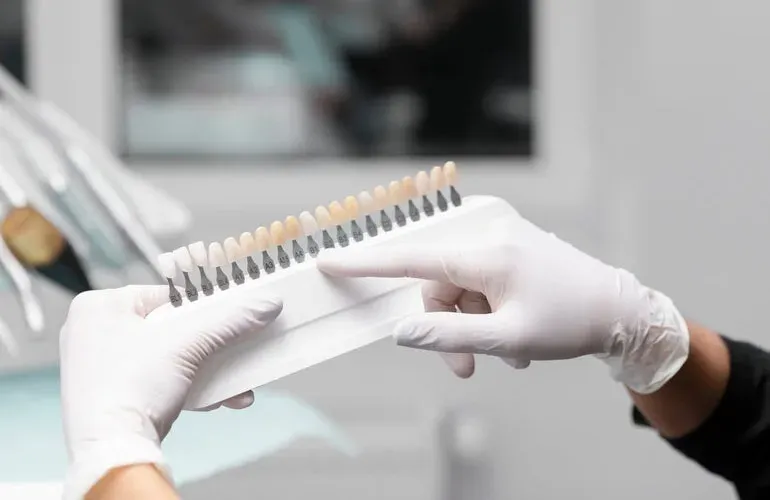
Wanting a smile that makes you feel good is common, and when it comes to getting there with cosmetic dentistry, dental veneers are a big player. They are thin, custom-made shells designed to cover the front surface of your teeth, helping to address imperfections like chips, stains, or misalignment. Two of the most common materials used for veneers are composite and porcelain.
The question patients ask most is: what's the difference between composite and porcelain veneers? Both aim for the same result, but the materials and the way we place them are quite different. Knowing the differences between composite and porcelain veneers lets you choose what fits your life, your budget, and how you want your smile to look.
This guide compares composite and porcelain veneers on cost, treatment time, durability, and looks.
Veneer types: composite vs. porcelain
Both types improve the look of your smile, but they differ in material, application, cost, and results.
Composite veneers
Composite veneers are made from a tooth-colored resin that is applied directly to the teeth. The material is shaped and sculpted by your dentist to achieve the desired result. Composite veneers are typically more affordable than porcelain veneers, and they can be applied in a single dental visit.
Porcelain veneers
Porcelain veneers, on the other hand, are thin shells of porcelain custom-made in a dental lab. They are more durable than composite veneers and are designed to closely mimic the natural translucency of teeth. Porcelain veneers require more time for the preparation and application process, as they are created outside of the office and then bonded to the tooth in a separate appointment.
Cost comparison between composite and porcelain veneers
Cost often decides which type of veneer a patient picks, so here are the upfront costs and the long-term value of each.
What you pay upfront
Composite veneers are generally less expensive upfront than porcelain veneers. They go on the tooth directly in a single visit, with fewer materials and less preparation. On average, composite veneers can cost anywhere from $250 to $1,500 per tooth.
In contrast, porcelain veneers tend to be more expensive because of the labor-intensive process involved in creating custom shells for each tooth. The cost of porcelain veneers typically ranges from $800 to $2,500 per tooth, depending on the dental office and location.
Thinking long term
While composite veneers are more affordable initially, porcelain veneers may offer better long-term value. Porcelain is a more durable material and lasts longer than composite resin, so for veneers meant to last, porcelain is the better investment even though the initial cost is higher. Porcelain veneers also keep their appearance better because they stain less than composite.
Treatment time and application process
Composite and porcelain veneers differ a lot in application and treatment time.
Composite veneers: often a same-day fix
Composite veneers can be completed in a single dental visit. The dentist will apply the resin to your teeth, shape it to the desired look, and cure it with a special light. The process typically takes one to two hours, and you leave the office with your new smile the same day.
Porcelain veneers: a multi-step process
The process for porcelain veneers is more involved and typically requires two to three visits to your dentist. During the first visit, the dentist will prepare your teeth by removing a small amount of enamel and take impressions of your teeth. These impressions are sent to a dental lab where the porcelain veneers are fabricated. Once the veneers are ready, you'll return to the office for the final placement and bonding. This process takes longer, but the results are more durable and aesthetically pleasing.
How long will they last? durability and longevity
Expected lifespans differ between the two materials.
The lifespan of composite veneers
Composite veneers are durable but not as long-lasting as porcelain. With proper care, composite veneers typically last 5 to 7 years before they need to be replaced. Factors such as oral hygiene, diet, and habits like teeth grinding can affect their longevity.
The staying power of porcelain veneers
In contrast, porcelain veneers are more durable and can last 10 to 15 years or even longer with proper care. The material is more resistant to wear and staining, which makes it the longer-term choice.
How they look: aesthetic differences
The aesthetic results of composite and porcelain veneers can vary, especially in terms of how they reflect light and blend with your natural teeth.
The natural appearance of porcelain
Porcelain veneers are often considered superior in terms of aesthetics because they are highly translucent, closely mimicking the natural appearance of enamel. They reflect light in a similar way, which creates a more natural and lifelike look.
Customization of composite veneers
Composite veneers, while still capable of achieving great results, are less customizable in terms of translucency. They may not offer the same lifelike quality as porcelain, but they can still provide an aesthetically pleasing result, especially for patients seeking a more affordable option.
Keeping them bright: stain resistance and maintenance
Veneers also differ in how well they resist stains and how much upkeep they need.
Porcelain's stain resistance
Porcelain veneers are highly resistant to stains and discoloration. This is one of their biggest advantages, especially for patients who drink coffee, tea, or wine, or those who smoke. Porcelain's resistance to staining makes it a great choice for people who want long-term results without worrying about regular touch-ups.
Maintenance requirements for composite veneers
Composite veneers, on the other hand, are more prone to staining over time. The resin material used for composite veneers can absorb food and drinks, leading to discoloration. As a result, composite veneers may require more frequent maintenance, such as polishing or replacement, to keep them looking their best.
Reversibility and tooth preparation
The two types also differ in how much of the tooth has to be prepared.
Reversible nature of composite veneers
Composite veneers are considered reversible since they don't require significant removal of tooth enamel. The resin is directly applied to the tooth surface, meaning that if you decide to remove them in the future, your teeth will not be as altered as with porcelain veneers.
Enamel removal for porcelain veneers
Porcelain veneers typically require the removal of a thin layer of enamel from the front of the tooth to ensure proper adhesion and fit. This process is permanent and irreversible, which makes porcelain veneers a more permanent solution for those who are sure about their decision.
Who are they right for? eligibility and considerations
Who each type suits depends on the patient's needs and the condition of the teeth.
Ideal candidates for each veneer type
Composite veneers are ideal for patients who want a more affordable, quick solution and are not concerned about long-term durability. They're also a good option for minor cosmetic improvements. A patient with a chipped front tooth and a tight budget, for example, may do well with composite, while someone with deep staining usually gets a better result from porcelain.
Porcelain veneers are better suited for patients looking for a more permanent, durable solution, especially if they have more significant cosmetic concerns, such as extensive staining or tooth damage.
Oral health requirements
Before getting either type of veneer, your dentist will assess your oral health. Both composite and porcelain veneers require healthy teeth and gums. Patients with active cavities, gum disease, or significant tooth damage may need additional treatment before veneers can be applied.
At Neola Dental in Minneola, we help you choose between composite veneers and porcelain veneers based on your budget, your goals, and the health of your teeth.