
Dental emergency? What to do | Minneola emergency dentist
Dental emergency in Minneola? Learn first-aid steps, when to visit the ER vs dentist, and get same-day care at Neola Dental. Call (352) 717-2177.
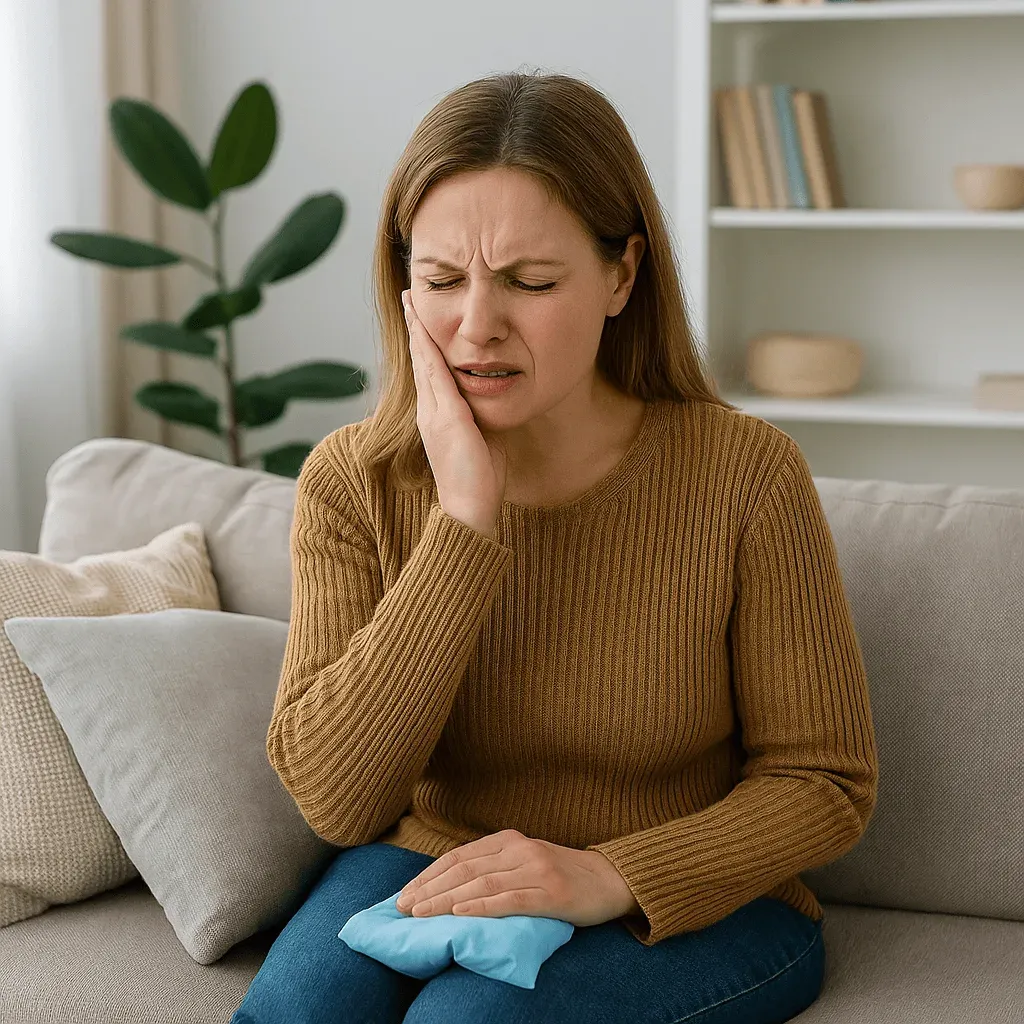
Understanding dental emergencies
Dental emergencies can happen at any time: you bite something hard, pain starts suddenly, or you injure your mouth. A dental emergency is any situation involving your teeth or gums that requires immediate attention to stop bleeding, alleviate severe pain, or save a tooth.
Not every dental issue is an emergency. For instance, a dull toothache or a small chip might wait a day or two, but conditions like severe pain, knocked-out teeth, or swelling can't. Knowing the difference can decide whether a tooth is saved or lost.
Common types of dental emergencies
Knowing what counts as a true dental emergency helps you react quickly.
1. Severe toothache
A throbbing toothache often signals an underlying issue such as decay, infection, or an abscess. Rinse your mouth with warm water, use dental floss to clear debris, and apply a cold compress to your cheek. Avoid placing aspirin directly on the gums, because it can burn the tissue. If pain persists, contact a dentist immediately.
2. Knocked-out tooth (avulsed tooth)
If your tooth gets knocked out, time is critical. Gently rinse the tooth with clean water, avoid touching the root, and try to place it back in its socket. If that's not possible, store it in a cup of milk or saliva and head to your dentist or an emergency room within 30-60 minutes. Acting fast greatly increases the chances of saving the tooth.
3. Cracked or broken tooth
Cracks can range from mild to severe. Rinse your mouth with warm water and apply a cold compress to reduce swelling. Avoid chewing on that side until a dentist assesses the damage. Even small cracks can expose nerves and lead to infection if ignored.
4. Lost filling or crown
If a filling or crown falls out, try to keep the area clean and avoid chewing on that side. You can use dental cement (available at most pharmacies) as a temporary fix. Avoid superglue, which is unsafe for oral use. Schedule an appointment as soon as possible to restore the tooth's protection.
5. Abscess or swelling
An abscess is a painful infection that forms around a tooth root or gum. It can cause swelling, fever, and even spread to other parts of the body. Rinse with warm salt water and call your dentist immediately. This is a serious emergency that may require antibiotics or drainage.
What to do immediately after a dental emergency
When faced with sudden oral trauma or pain, staying calm helps. Follow these first-aid steps to control the situation until you reach professional help.
- Stay calm: panic can worsen the situation. Breathe deeply and assess the injury.
- Stop the bleeding: use clean gauze to apply gentle pressure.
- Reduce swelling: apply an ice pack externally for 10-15 minutes.
- Save broken pieces: keep tooth fragments or knocked-out teeth in milk or saline.
- Manage pain safely: use over-the-counter painkillers like ibuprofen (not aspirin directly on gums).
- Call a dentist immediately: don't delay treatment, since many dental offices offer 24-hour emergency services.
When to go to the emergency room vs. dentist
Not every dental emergency needs a hospital visit, but certain situations do.
Red flags that require immediate ER attention
Seek emergency medical care if:
-
You have uncontrollable bleeding.
-
There's swelling affecting breathing or swallowing.
-
You've suffered facial fractures or dislocation of the jaw.
-
You experience intense pain with fever and malaise (possible spreading infection).
For other issues like broken teeth, lost fillings, or moderate pain, contact your emergency dentist instead. They can provide immediate treatment and prevent complications.
How to relieve dental pain at home temporarily
Sometimes you can't get to the dentist right away. In that case, temporary relief matters.
- Rinse with warm salt water: it helps reduce bacteria and soothe gums.
- Cold compress: minimizes swelling and pain.
- Over-the-counter pain relievers: follow dosage instructions carefully.
- Clove oil: acts as a mild natural anesthetic for tooth pain.
- Avoid: hard foods, sugary snacks, or very hot/cold beverages.
These remedies are temporary. You still need a professional exam.
How dentists handle dental emergencies professionally
When you arrive at the dental clinic, the dentist will examine your mouth using X-rays and visual inspection. Emergency treatments may include:
-
Reattachment or replacement for knocked-out teeth.
-
Temporary or permanent fillings for lost restorations.
-
Antibiotics for abscesses or infections.
-
Pain management and follow-up care instructions.
Digital X-rays and same-day crowns let dentists treat emergencies faster.
Preventing dental emergencies before they happen
The best way to deal with a dental emergency is to prevent one altogether.
Good habits to keep teeth strong and healthy
- Brush twice daily with fluoride toothpaste.
- Floss daily to remove trapped food particles.
- Wear a mouthguard during sports.
- Avoid chewing ice, hard candies, or non-food items.
- Visit your dentist twice a year for checkups.
Regular care reduces your risk of fractures, infections, and sudden pain.
Frequently asked questions (FAQs)
1. What qualifies as a dental emergency?
Anything involving severe pain, bleeding, infection, or trauma that requires immediate treatment is considered a dental emergency.
2. Can I go to the ER for a toothache?
Only if the pain is unbearable, accompanied by swelling, or affects your breathing or swallowing. Otherwise, contact an emergency dentist.
3. What should I do if I knock out my tooth?
Handle the tooth by the crown, not the root, and place it back in its socket or in milk. See a dentist within 30-60 minutes
4. How can I stop a toothache instantly?
Use a cold compress, rinse with salt water, and take over-the-counter painkillers. Avoid applying aspirin directly to gums.
5. Can a chipped tooth heal on its own?
No, but small chips can often be smoothed or repaired with bonding or veneers.
6. How much does emergency dental treatment cost?
Costs vary depending on severity, but many dentists offer flexible payment options or emergency service rates.
Keep a kit at home
Put gauze, a small container of milk and your dentist's phone number in one place at home, so you aren't searching for them during an emergency. If you're unsure whether something counts, call Neola Dental at (352) 717-2177 and describe the symptoms.