
Best teeth whitening methods: your Minneola guide to a brighter smile
Best teeth whitening methods explained by your Minneola dentist. Compare OTC vs professional whitening options at Neola Dental for a brighter smile.
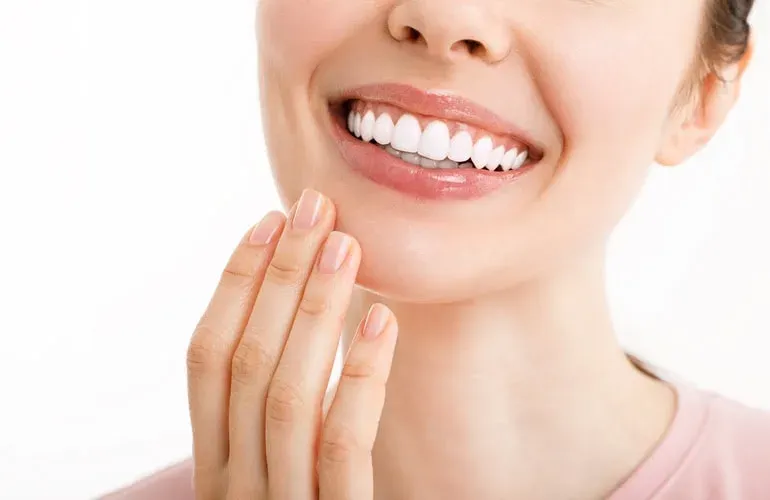
The best teeth whitening methods range from a whitening toothpaste you use every morning to a one-hour visit at the dentist, and they do very different things. A bright, white smile is often associated with health, confidence, and beauty, and there are more ways to get one than ever.
With so many options, it is hard to tell which is the most effective and which is the safest. This article compares over-the-counter products with professional treatments, covers the side effects of each, and explains how to keep the result, so you can pick the one that fits.
What is teeth whitening?
Teeth whitening lightens the color of your teeth. Over the years teeth stain from aging, coffee, wine, tea, smoking, and poor oral hygiene. Whitening removes those stains and brightens the whole smile. It works on natural enamel, so crowns, veneers, and fillings keep their original color, which is worth telling your dentist before you start.
Methods run from over-the-counter treatments to professional procedures. The right one depends on your needs, your budget, and how white you want to go.
Over-the-counter teeth whitening methods
If you want something cheaper and more convenient, over-the-counter (OTC) products are a reasonable place to start. These are the most common:
Whitening toothpastes
Whitening toothpastes are the cheapest and easiest option. They contain mild abrasives that scrub surface stains, and many add a little hydrogen peroxide to lighten the tooth color.
They help with minor surface stains but not with deeper, stubborn ones, so they work best for maintenance after another whitening method.
Whitening strips and gels
Strips and gels are another popular OTC choice. Strips are thin, flexible bands coated with a peroxide-based gel that you press onto your teeth for a set time. Gels come in a small tube and you brush them on.
They work better than toothpaste and can lighten teeth by several shades over a few weeks. They can cause tooth sensitivity in some people, especially when used too often. If your teeth react, shorten the wear time, space out the treatments, and mention it at your next visit.
Whitening rinses
Whitening rinses are mouthwashes that freshen breath and whiten at the same time. They usually contain hydrogen peroxide or carbamide peroxide. They are easy to use, but they are generally the least effective method, and visible results take longer than with other options.
Professional teeth whitening options
If you want faster, more noticeable results, professional teeth whitening is the better route. A dentist performs it, and it lightens teeth more than OTC products can.
In-office treatments
In-office whitening is the most effective method. The dentist uses stronger whitening gels than anything sold over the counter. The visit takes about an hour, and you see the result right away, with teeth several shades lighter. Because a dentist is watching, the gums are protected and sensitivity can be managed during the visit.
Some offices use laser or light-activated whitening, where a special light boosts the effect. It suits people who want a dramatic result in a single visit, and the effect can be topped up later with a take-home kit.
At-home professional kits
At-home professional whitening kits are the other option dentists offer. They include custom-made trays that fit your teeth and a stronger bleaching gel than OTC products. You wear the trays for a few hours a day or overnight, depending on what your dentist recommends.
At-home kits are convenient and effective, though they can take a few weeks to reach the shade you want. Because the trays fit your teeth, the gel spreads evenly, and the results tend to be more consistent and last longer.
Effectiveness and risks of various whitening methods
Whitening can make a real difference, and some methods have side effects.
Tooth sensitivity
Tooth sensitivity is among the most common side effects, especially with hydrogen peroxide products. You may feel discomfort with hot or cold food and drinks. Sensitivity usually fades once you stop the product, and many products are formulated to keep it low. Brushing with a toothpaste made for sensitive teeth can also help.
Gum irritation
Gum irritation can also happen, mostly with bleaching gels or strips that touch the gums. It is usually temporary and goes away after a few days. Follow the instructions so the product stays off your gums, and wipe away any gel that spreads onto them.
Enamel damage
Overusing whitening products can damage enamel, the protective outer layer of your teeth. Professional whitening is generally safe, but OTC products used too often or left on too long can wear enamel down. Use them as directed.
Maintenance and duration of whitening effects
Maintaining the result keeps your smile bright. Here is how:
Longevity of results
How long results last depends on your diet, your lifestyle, and the treatment you had. Professional whitening lasts longer than OTC products, anywhere from 6 months to 2 years depending on how well you care for your teeth. OTC products usually need more frequent touch-ups.
Tips for maintaining whitened teeth
To keep whitened teeth white, avoid foods and drinks that stain, such as coffee, tea, red wine, and tobacco. Brushing and flossing regularly also keep surface stains from building up, and rinsing with water after coffee or wine helps between brushings.
When to schedule touch-up treatments
Even with good care, teeth lose some brightness over time. If they look dull or stained again, schedule a touch-up with your dentist or use at-home products as recommended.
Choosing the right whitening method
To pick the best whitening treatment, start with your own needs and preferences.
Assessing individual needs and preferences
Think about how much time you can spend and how white you want your teeth. A wedding in two weeks and a gradual brightening over a couple of months call for different methods. If you want immediate results, in-office treatment fits best. If you prefer a gradual approach at home, strips or gels may suit you better.
Consulting with a dentist
Seeing your dentist first tells you which method is effective and safe for you. The dentist can check your oral health, recommend products, and guide you on the best approach for your smile.
Factors to consider: sensitivity, budget, desired results
Before you choose, weigh tooth sensitivity, your budget, and how quickly you want results. Professional treatments cost more but work faster and last longer. A cleaning before whitening also removes surface stain that would otherwise limit the result. OTC options cost less but may need ongoing use to keep showing results.
At Neola Dental in Minneola, we help patients pick between over-the-counter and professional whitening and guide them through the treatment. See our teeth whitening services to get started.