
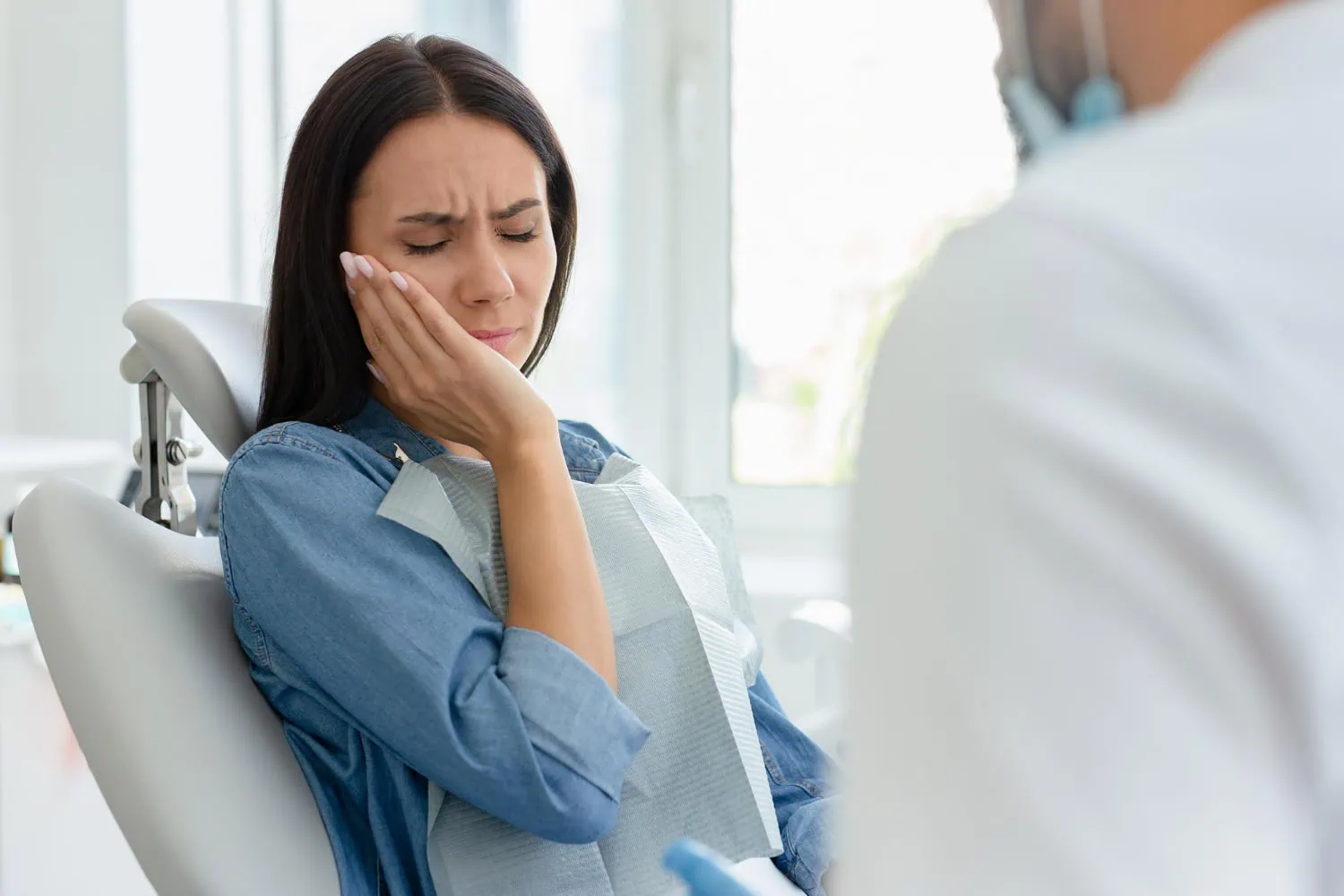
When dental pain strikes, waiting is rarely an option. A sudden toothache, swelling, infection, or broken tooth can disrupt your day, keep you awake at night, and quickly become a serious health concern. If you are searching for an emergency dentist in Minneola, FL, you need fast answers, clear guidance, and a local dental office prepared to help you right away.
Dental emergencies do not follow a schedule. They can happen to children, teens, adults, and seniors, often at the most inconvenient times. Knowing what to do and where to go when a dental emergency happens can make a critical difference in relieving pain, preventing complications, and protecting your long-term oral health.
This guide explains what qualifies as a dental emergency, what steps to take before seeing an emergency dentist, how emergency dental care works, and why having a trusted local provider in Minneola is so important.
If you are in pain or dealing with a dental emergency, contact Neola Dental immediately to get the care you need as soon as possible.
What Is Considered a Dental Emergency?
A dental emergency is any situation involving pain, infection, trauma, or damage to the teeth or gums that requires prompt professional attention. While not every dental issue is an emergency, many conditions worsen quickly when left untreated.
Common dental emergencies include severe tooth pain, swelling of the gums or face, dental abscesses, broken or cracked teeth, knocked-out teeth, lost crowns or fillings, and infections that cause fever or discomfort.
If you are unsure whether your situation is an emergency, it is always safer to contact a dentist for guidance rather than wait and risk complications.
Why Seeing an Emergency Dentist Quickly Matters
Delaying emergency dental care can lead to more serious problems. Infections can spread, pain can intensify, and damage to teeth or surrounding tissues can become permanent.
Prompt treatment helps relieve pain, control infection, and preserve natural teeth whenever possible. In many cases, early intervention can prevent the need for more extensive or costly procedures later.
For families in Minneola and throughout Lake County, having access to emergency dental care close to home provides peace of mind when unexpected situations arise.
Emergency Dental Care for Children
Children are especially prone to dental emergencies due to falls, sports injuries, and accidents during play. A chipped or broken tooth, sudden pain, or swelling can be frightening for both children and parents.
An emergency dentist experienced in treating children can provide gentle care while addressing the problem quickly. Early treatment helps reduce pain, calm anxiety, and protect developing teeth.
Parents should seek emergency dental care if a child experiences persistent tooth pain, visible damage to a tooth, bleeding that does not stop, or signs of infection such as swelling or fever.
Emergency Dental Situations for Teens and Adults
Teens and adults commonly experience dental emergencies related to sports injuries, accidents, untreated decay, or dental restorations that fail unexpectedly.
Severe toothaches often indicate infection or nerve involvement and should not be ignored. Cracked teeth, lost crowns, or broken fillings can expose sensitive areas and lead to further damage if left untreated.
An emergency dentist evaluates the cause of the problem and provides appropriate treatment to relieve pain and restore function.
Common Emergency Dental Treatments
Emergency dental care focuses on stabilizing the situation, relieving pain, and preventing complications. Depending on the condition, treatment may include:
Pain management, treatment of infection, temporary or permanent restorations, root canal therapy, or tooth extraction when necessary. The goal is always to preserve natural teeth whenever possible while protecting overall health.
Follow-up care may be recommended to ensure proper healing and long-term success.
What to Do Before You See an Emergency Dentist
If you experience a dental emergency, taking the right steps before reaching the dentist can help minimize damage and discomfort.
Rinse your mouth gently with warm water, apply a cold compress to reduce swelling, and avoid chewing on the affected side. If a tooth is knocked out, keep it moist and contact a dentist immediately.
Avoid using aspirin directly on the gums or tooth, as this can cause irritation. Pain medication should only be taken as directed.
Emergency Dental Care vs. Waiting for a Regular Appointment
Some dental issues may seem manageable at first but can worsen quickly. Swelling, severe pain, or signs of infection should never be ignored.
Emergency dental care is designed to address urgent issues promptly, while routine appointments focus on preventive and maintenance care. Knowing the difference helps patients make informed decisions when problems arise.
Emergency Dental Costs and Financial Considerations
Many patients worry about the cost of emergency dental care. While costs vary depending on the type of treatment needed, delaying care often leads to more expensive procedures later.
For a detailed breakdown of pricing considerations, patients can review our guide on emergency dentist costs in Minneola, FL, which explains what factors influence emergency dental fees.
Understanding costs ahead of time helps reduce stress during already difficult situations.
Why Local Emergency Dental Care in Minneola Matters
When you are in pain, traveling long distances for care is the last thing you want. Choosing a local emergency dentist in Minneola ensures faster access to treatment and easier follow-up care.
Local dental offices understand the needs of the community and prioritize accessible care for patients in Minneola, Clermont, Groveland, and surrounding Lake County areas.
Having a trusted emergency dentist nearby can make a stressful situation far more manageable.
Emergency Dental Care for Families
Dental emergencies affect entire families, not just individuals. Parents often need guidance on how to handle urgent dental issues for children while managing their own care.
A family-oriented emergency dentist provides support, clear communication, and compassionate care for patients of all ages. Familiarity with a family’s dental history can also improve treatment outcomes.
Preventing Future Dental Emergencies
While not all dental emergencies can be prevented, regular dental visits and good oral hygiene significantly reduce risk.
Preventive care helps identify issues early, reinforce healthy habits, and protect teeth from damage. Wearing mouthguards during sports and avoiding habits like chewing ice can also help prevent injuries.
How Emergency Dental Care Fits Into Long-Term Oral Health
Emergency dental care is not just about immediate relief. It plays an important role in protecting long-term oral health by addressing issues before they escalate.
After emergency treatment, follow-up care ensures proper healing and helps prevent recurrence of the problem.
What to Expect During an Emergency Dental Visit
An emergency dental visit typically begins with an evaluation to determine the cause of pain or damage. Diagnostic imaging may be used to assess the extent of the issue.
The dentist will explain the findings, recommend treatment options, and focus on relieving pain and stabilizing the condition. Clear communication helps patients feel informed and confident during stressful situations.
Why Patients Choose Neola Dental for Emergency Dental Care
Neola Dental provides prompt, compassionate emergency dental care for patients in Minneola and surrounding communities. Our team is committed to relieving pain, addressing urgent issues, and supporting long-term oral health.
With modern technology, clear communication, and a patient-centered approach, we help patients feel supported when they need it most.
Schedule Emergency Dental Care in Minneola, FL
If you are experiencing dental pain, swelling, or injury, do not wait. Early treatment can make all the difference.
Contact Neola Dental today to get emergency dental care in Minneola, FL.
For general information about dental emergencies, visit the American Dental Association.